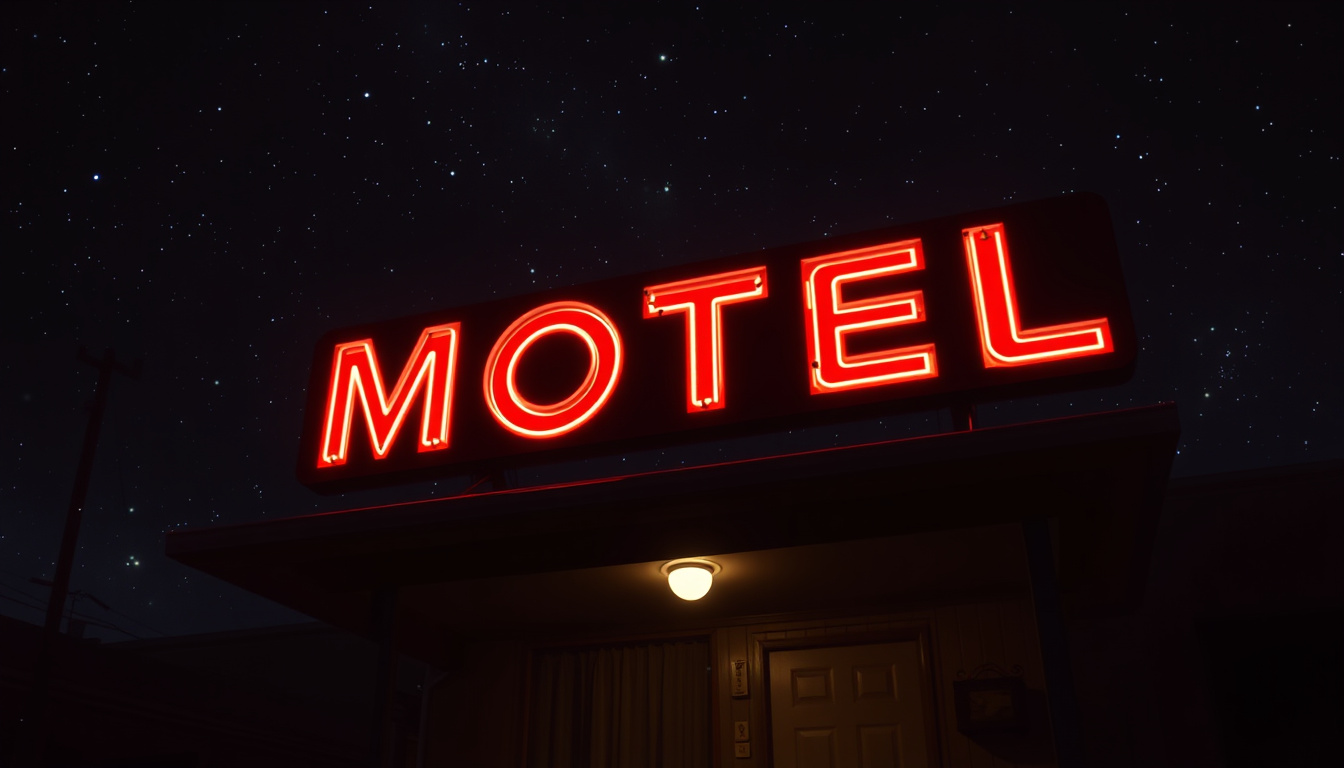
Most people know the shudder before they know the actor: the motel, the shower curtain, the sudden strings. Anthony Perkins spent years trying to outrun Norman Bates, and when he died on September 12, 1992, at 60, the public learned that a different secret had been running alongside him for years.
Born: April 4, 1932 · Died: September 12, 1992 · Age: 60 · Defining role: Norman Bates · Films: 40+
The public record is consistent on the basics — and more interesting when it moves into Perkins’s private life.
Early Life
- Born April 4, 1932 in New York City · Britannica
- Parents: Janet Esselstyn Rane and actor Osgood Perkins · IMDb
Career Highlights
- Starred in over 40 films · New World Encyclopedia
- Iconic role as Norman Bates in Psycho (1960) · Britannica
Personal Life
- Married Berry Berenson in 1973 · People
- Two sons: Oz Perkins and Elvis Perkins · People
- Underwent therapy related to his sexuality · New World Encyclopedia
Death & Legacy
- Died September 12, 1992, from AIDS-related complications · Biography.com
- Final role: In the Deep Woods, aired posthumously · Wikipedia
| Detail | Verifiable record |
|---|---|
| Born | April 4, 1932 · New World Encyclopedia |
| Died | September 12, 1992 · Biography.com |
| Age at death | 60 · Biography.com |
| Cause of death | AIDS-related complications, described as AIDS-related pneumonia · Biography.com |
| Parents | Janet Esselstyn Rane and actor Osgood Perkins · IMDb |
| Spouse | Berry Berenson · People |
| Children | Oz Perkins and Elvis Perkins · People |
| Film count | Over 40 · New World Encyclopedia |
| Known for | Norman Bates in Psycho · Encyclopaedia Britannica |
| Therapy | Underwent therapy related to his sexuality · New World Encyclopedia |
| Final role | In the Deep Woods, aired after his death · Wikipedia |
How did Anthony Perkins die?
The record shows Perkins was 60 when he died on September 12, 1992. Biography.com identifies the cause as complications from AIDS, described at the time as AIDS-related pneumonia. The next day, Los Angeles Times coverage connected Perkins’s death to the AIDS illness he had not made public.
Perkins and Berry Berenson kept his AIDS illness secret for two years.
After his death, his widow, Berry Berenson, told The New York Times that they had kept the diagnosis private for two years.
Cause of death: AIDS-related complications
Biography.com identifies AIDS-related pneumonia as the specific complication that ended his life.
Public announcement
Berry Berenson’s statement to The New York Times revealed the two-year secrecy around his diagnosis.
Who was Anthony Perkins outside the Psycho franchise?
Off screen, Perkins’s life was more private. According to IMDb’s biography, he was born to Janet Esselstyn Rane and actor Osgood Perkins. He later married Berry Berenson, and People writes that the couple had two sons, Oz Perkins and Elvis Perkins.
People reports that Perkins had same-sex relationships during his life but did not publicly discuss his sexuality.
People
New World Encyclopedia also notes that Perkins underwent therapy related to his sexuality — a detail that complicates the simple tabloid version of his life. He was a husband and father in the public record, while overlapping reports describe a private life that did not fit neatly into the era’s categories.
Marriage to Berry Berenson
People confirms Perkins married Berry Berenson in 1973.
Therapy for homosexuality
New World Encyclopedia documents that Perkins underwent therapy related to his sexuality.
How did one role define Anthony Perkins’s career?
Encyclopaedia Britannica writes that Perkins starred as Norman Bates in Psycho and later in three sequels, making the role the defining part of his screen identity. That sentence summarizes both the gift and the trap of his career: the performance brought him lasting fame, but it also fixed him in a horror-shaped frame for the rest of his life.
…making the role the defining part of his screen identity.
Encyclopaedia Britannica
Before that, he had built a long career across more than forty films and earned award nominations along the way, according to New World Encyclopedia.
Dissociative identity disorder
Norman Bates, as portrayed by Perkins, exhibits dissociative identity disorder, a condition shaped by his mother’s dominance.
Influence of real-life killers
The character of Norman Bates was partially inspired by real-life murderer Ed Gein.
What did Anthony Perkins’s final screen work look like?
Perkins’s final acting role was the television movie In the Deep Woods. According to Wikipedia, the film aired after his death, making it a posthumous bookend to a career that stretched from the 1940s into the early 1990s.
The Los Angeles Times covered the news on September 13, 1992, and The New York Times followed days later with Berry Berenson’s account of the private two-year illness.
What’s confirmed, and what’s still reported?
Confirmed facts
- He died on September 12, 1992, from complications of AIDS · Biography.com
- He was married to Berry Berenson and had two sons, Oz and Elvis · People
- He played Norman Bates in Psycho and three sequels · Encyclopaedia Britannica
- His final screen role was In the Deep Woods, which aired after his death · Wikipedia
Still reported rather than fully resolved
- Same-sex relationships were reported by People, but Perkins did not discuss them publicly while alive.
- Therapy related to his sexuality is noted in New World Encyclopedia, but no clinical records have been released.
- Some details about his final illness rely on family testimony and biographical summaries rather than on a single contemporaneous primary record · The New York Times
Anthony Perkins’s public story is one of Hollywood fame; his private story is one of secret illness, complicated identity, and a family who chose silence. The record is strong on dates and roles, thinner on emotions, and that gap is exactly why his story still matters.
Frequently asked questions
How did Anthony Perkins die?
He died from complications of AIDS, described as AIDS-related pneumonia, on September 12, 1992 · Biography.com
Did Anthony Perkins know he had AIDS?
Yes. He and Berry Berenson kept his AIDS illness secret for two years, according to The New York Times.
Was Anthony Perkins married?
Yes, to Berry Berenson · People
Did Anthony Perkins have children?
Yes, two sons: Oz Perkins and Elvis Perkins · People
Did Anthony Perkins appear in Psycho sequels?
Yes. He returned as Norman Bates in three sequels · Encyclopaedia Britannica
What was Anthony Perkins’s final acting role?
His final role was in In the Deep Woods, which aired after his death · Wikipedia
Related stories



Richard Vane is Senior Reporter at MorningTimes.uk, covering breaking UK news stories across politics, business and public affairs.