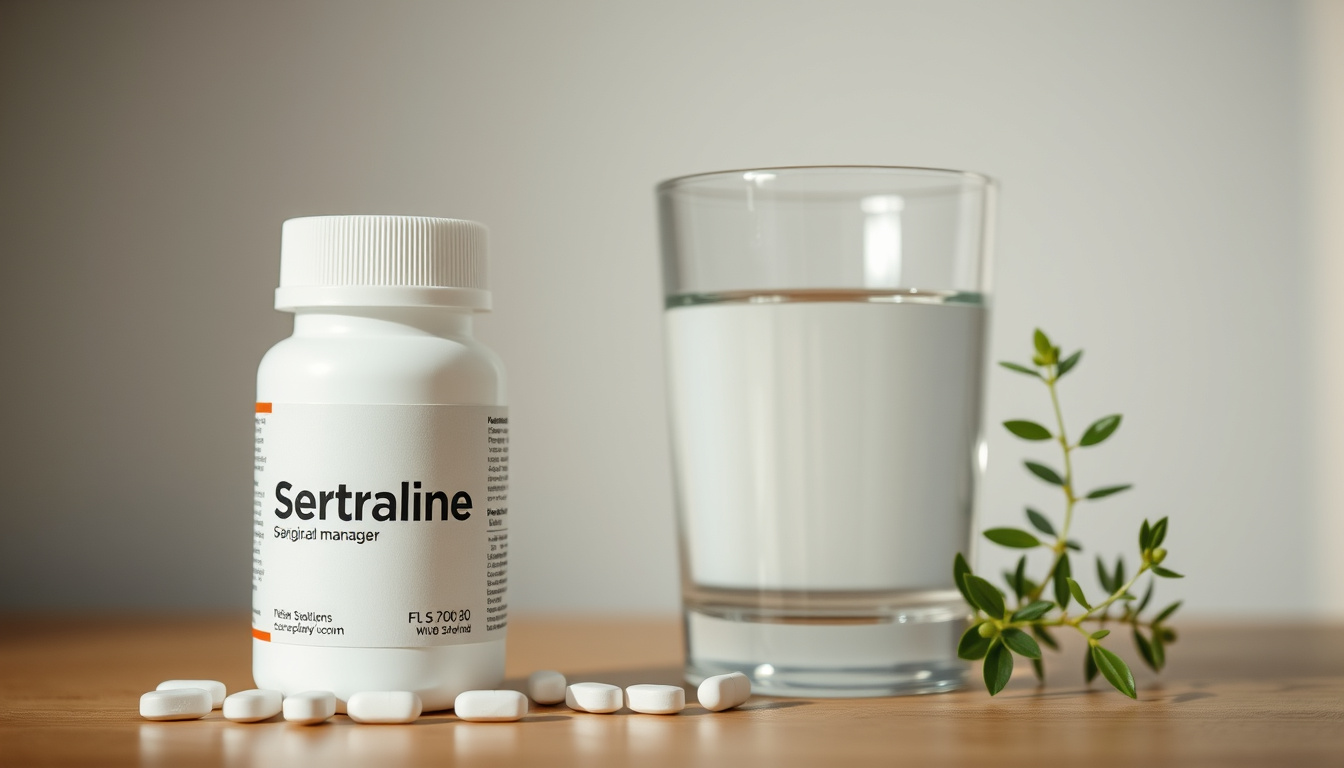

If you’ve ever wondered why your doctor prescribed sertraline instead of a fast-acting anxiety pill like Xanax, you’re not alone. Sertraline (brand name Zoloft) is a selective serotonin reuptake inhibitor (SSRI) approved by the FDA in 1991 to treat six different psychiatric conditions, from depression to social anxiety. This article walks through its approved and off-label uses, common side effects, how it compares with alprazolam (Xanax), and what early signs tell you it’s working.
FDA Approval Year: 1991 ·
Common Starting Dose: 50 mg daily ·
Drug Class: Selective serotonin reuptake inhibitor (SSRI) ·
Approved Indications Count: 6
Quick snapshot
- Sertraline is an SSRI that increases serotonin in the brain (MedicineNet (clinical reference))
- FDA-approved for depression, OCD, panic disorder, PTSD, PMDD, and social anxiety disorder (Mayo Clinic (academic medical center))
- Most common side effects include nausea, diarrhea, insomnia, dry mouth, and sexual dysfunction (WebMD (consumer health reference))
- Exact mechanism behind sertraline’s efficacy in PTSD is not fully understood (NIH StatPearls (federal research database))
- Individual response time and side-effect severity vary and cannot be predicted reliably (NIH StatPearls (federal research database))
- Long-term impact on weight and metabolic health is still being studied (NIH StatPearls (federal research database))
- Initial signs of improvement may appear within 1–2 weeks, full effect takes 4–6 weeks (NHS (UK health authority))
- Patients should monitor for early benefits (sleep, appetite, energy) and report any worsening mood or suicidal thoughts (Mayo Clinic (academic medical center))
Here is a quick reference of key sertraline facts.
| Attribute | Value |
|---|---|
| Generic Name | Sertraline |
| Brand Name | Zoloft |
| Drug Class | Selective serotonin reuptake inhibitor (SSRI) |
| FDA Approval Year | 1991 |
| Common Starting Dose | 50 mg once daily |
| Half-Life | 24–26 hours |
What is sertraline most commonly used for?
FDA-approved indications
- Major depressive disorder – the most common reason sertraline is prescribed (Mayo Clinic (academic medical center))
- Obsessive-compulsive disorder – approved for adults and children (NHS (UK health authority))
- Panic disorder – with or without agoraphobia (MedicineNet (clinical reference))
- Posttraumatic stress disorder – one of the few SSRIs with an FDA PTSD indication (Mayo Clinic (academic medical center))
- Premenstrual dysphoric disorder – dosed cyclically or continuously (MedicineNet (clinical reference))
- Social anxiety disorder – also known as social phobia (NHS (UK health authority))
Off-label uses
- Generalized anxiety disorder – used frequently despite lacking an FDA label for this indication (GoodRx (consumer health platform))
- Premature ejaculation – evidence supports lower doses to delay ejaculation (MedicineNet (clinical reference))
- Bulimia nervosa and binge-eating disorder – sometimes used off-label when other treatments fail
The implication: clinicians have a broad set of on-label options, but off-label prescribing still relies on professional judgment and patient-specific factors.
What is the major side effect of sertraline?
Common side effects
- Nausea, diarrhea, and indigestion – affect roughly 20–30% of users early in treatment (WebMD (consumer health reference))
- Insomnia or drowsiness – timing of dosing can mitigate these (GoodRx (consumer health platform))
- Dry mouth and increased sweating – often lessen after the first few weeks
- Sexual dysfunction – delayed ejaculation and reduced libido are among the most bothersome (MedicineNet (clinical reference))
Serious side effects
- Serotonin syndrome – rare but can be dangerous when combined with other serotonergic drugs (NHS (UK health authority))
- Increased risk of suicidal thoughts and behaviors – carries a boxed warning, especially for patients under 25 (Forhers (women’s health platform))
- Allergic reactions (rash, hives, swelling) – require immediate medical attention
Nausea usually fades within 1–2 weeks. Sexual side effects are more persistent; if they interfere with therapy, a dose adjustment or a switch to another SSRI is common. The boxed warning on suicidality means close monitoring during the first month is essential.
The pattern: gastrointestinal and sexual side effects dominate the early experience of sertraline. For most patients, the trade-off—accepting temporary discomfort for long-term mood stability—is worthwhile.
What are the benefits of taking sertraline?
Mood improvement
By increasing serotonin availability in the brain, sertraline helps lift the persistent low mood of depression (NIH StatPearls (federal research database)). Patients typically notice a brighter outlook and less emotional numbness after 3–4 weeks.
Reduced anxiety
Whether for social anxiety, panic, or PTSD-related hypervigilance, sertraline dampens the overactive fear response. Unlike benzodiazepines, it does this without sedation or dependence (GoodRx (consumer health platform)).
Better daily functioning
Improved sleep, appetite, and energy levels often appear before the mood effect fully kicks in. This gives patients the motivation to resume daily activities and engage in therapy (Mayo Clinic (academic medical center)).
The biggest benefit of sertraline is its preventive, long-term action. It treats the underlying chemical imbalance rather than just masking symptoms. For anxious patients stuck in a cycle of avoidance, this can be transformative—months of consistent use can reduce panic attacks from weekly to near zero.
The catch: the delay in onset means patients must tolerate initial discomfort to reach long-term gains, making adherence critical.
Is sertraline the same as Xanax?
Mechanism of action differences
Sertraline is an SSRI that blocks serotonin reuptake; Xanax (alprazolam) is a benzodiazepine that enhances GABA, a calming neurotransmitter (MedicineNet (clinical reference)). The two drugs work through entirely different pathways.
Onset of action
Xanax begins working within minutes to an hour. Sertraline takes 2–6 weeks for full therapeutic effect (SingleCare (pharmacy cost reference)).
Addiction potential
Xanax has a high potential for dependence and withdrawal; sertraline is not addictive and does not produce a “high” (GoodRx (consumer health platform)).
Uses
Xanax is approved for generalized anxiety disorder and panic disorder (short-term). Sertraline covers those plus depression, OCD, PTSD, PMDD, and social anxiety disorder for long-term treatment (SingleCare (pharmacy cost reference)).
Six key differences, one core pattern: sertraline is a slow, steady maintenance tool; Xanax is a fast rescue medication.
| Attribute | Sertraline (Zoloft) | Xanax (alprazolam) |
|---|---|---|
| Drug class | SSRI | Benzodiazepine |
| Onset of effect | 2–6 weeks | Minutes to hours |
| Addiction potential | None | High |
| FDA-approved for | 6 indications | 2 indications (GAD, panic) |
| Typical dosing schedule | Once daily | Three times daily as needed |
| Duration of treatment | Long-term (months–years) | Short-term (weeks) |
The pattern: the choice hinges on whether the patient needs immediate relief or sustainable control, with no single drug fitting both roles.
What are the first signs that sertraline is working?
Early improvements in sleep and appetite
During the first 1–2 weeks, many patients report sleeping more soundly and feeling hungry again. These are often the earliest objective signals that serotonin levels are shifting (NHS (UK health authority)).
Gradual mood elevation
By week 2–3, a subtle lift in daily mood becomes noticeable. The world feels less grey. Crying spells or irritability may reduce (Mayo Clinic (academic medical center)).
Reduced anxiety
For patients taking sertraline for anxiety disorders, the first sign is often a quietening of racing thoughts. Panic triggers may feel less urgent. Full effect on anxiety may take 4–6 weeks (GoodRx (consumer health platform)).
If after 6 weeks at a therapeutic dose (50–100 mg) you feel no improvement, your prescriber may increase the dose or consider switching to another SSRI. The majority of patients who will respond to sertraline show at least some benefit by week 8.
The implication: patience is essential; the first signs are subtle and often physiological before mood lifts.
These specifications summarize the approved dosing and pharmacokinetics.
| Specification | Details |
|---|---|
| Generic name | Sertraline |
| Brand name | Zoloft |
| Drug class | SSRI |
| FDA approval | 1991 |
| Dosage forms | 25 mg, 50 mg, 100 mg tablets; 20 mg/mL oral concentrate |
| Half-life | 24–26 hours |
| Metabolism | Hepatic via CYP2C19, CYP2D6, CYP3A4 |
| Bioavailability | ~44% (oral) |
| Standard starting dose | 50 mg once daily (25 mg for panic disorder) |
| Maximum dose | 200 mg daily |
Upsides vs. downsides of sertraline
Upsides
- Non-addictive, suitable for long-term use
- Treats multiple conditions with one medication
- Generic available, low cost
- Once-daily dosing with simple titration
- Minimal drug interactions compared to many psychiatric drugs
Downsides
- Delayed onset (weeks, not minutes)
- Frequent early side effects (nausea, diarrhea, insomnia)
- Sexual dysfunction can be persistent
- Boxed warning for suicidality in young adults
- Abrupt discontinuation causes withdrawal symptoms
What we know and what remains unclear about sertraline
Confirmed facts
- Sertraline is an SSRI that increases extracellular serotonin in the brain (NIH StatPearls (federal research database))
- It is FDA-approved for six psychiatric conditions (Mayo Clinic (academic medical center))
- Most common side effects are gastrointestinal and sexual in nature (WebMD (consumer health reference))
What’s unclear
- The exact mechanism behind its efficacy in PTSD is not fully understood (NIH StatPearls (federal research database))
- Individual response time and side-effect severity vary and cannot be predicted reliably
- The long-term impact of sertraline on weight and metabolic health is still being studied
Expert perspectives on sertraline
Sertraline is a first-line SSRI for most depressive and anxiety disorders because of its strong evidence base, once-daily dosing, and favorable safety profile compared to tricyclics.
NIH National Library of Medicine (StatPearls – federal research database)
You may notice an improvement in your sleep, appetite and energy levels within 1–2 weeks of taking sertraline. It may take 4–6 weeks for the full antidepressant effect to develop.
NHS (UK health authority)
Sexual side effects, such as delayed ejaculation or reduced sex drive, are among the most common reasons patients stop taking sertraline. If these occur, a dose adjustment or switching to another SSRI often helps.
Mayo Clinic (academic medical center)
Summary
Sertraline is a key medication of psychiatric treatment for good reason: it covers more FDA indications than any other SSRI, has decades of safety data, and carries zero addiction potential. But its slow onset and persistent sexual side effects mean it’s not the right fit for everyone. For the adult patient managing daily anxiety or depression, the choice is clear: commit to a 4–6 week titration period, or accept the trade-off of a faster-acting but habit-forming benzodiazepine.
For a comprehensive overview of sertraline uses and dosage, including its approved indications and typical dosing, this guide provides detailed information.
Frequently asked questions
Can I drink alcohol while taking sertraline?
The NHS advises that drinking alcohol while on sertraline can worsen side effects like drowsiness and dizziness. It may also reduce the medication’s effectiveness. It’s safest to limit or avoid alcohol, especially during the first few weeks (NHS (UK health authority)).
How long should I take sertraline?
Treatment length depends on the condition. For a first episode of depression, guidelines typically recommend 6–12 months after symptoms improve. For chronic conditions like OCD or panic disorder, long-term use is common (Mayo Clinic (academic medical center)).
What happens if I miss a dose?
Take the missed dose as soon as you remember, unless it’s almost time for your next dose. Never double a dose. Missing a dose may cause temporary withdrawal symptoms like dizziness or nausea (NHS (UK health authority)).
Can sertraline cause weight gain?
Some patients report modest weight gain with long-term use, but it’s less common than with other antidepressants like paroxetine. Weight changes are usually small (1–5 lbs) and related to improved appetite rather than a metabolic effect (Mayo Clinic (academic medical center)).
Is sertraline safe during pregnancy?
Most studies suggest sertraline is one of the safer SSRIs during pregnancy, but it should only be used if the potential benefit outweighs the risk. Untreated depression itself poses risks to both mother and baby. Discuss with your prescriber (NHS (UK health authority)).
What is the maximum dose of sertraline for adults?
The maximum recommended dose is 200 mg per day. Doses above 200 mg are not more effective and increase the risk of side effects. Titration should be done slowly under medical supervision (Mayo Clinic (academic medical center)).
Related stories




James Holloway covers culture, lifestyle and society for MorningTimes.uk.