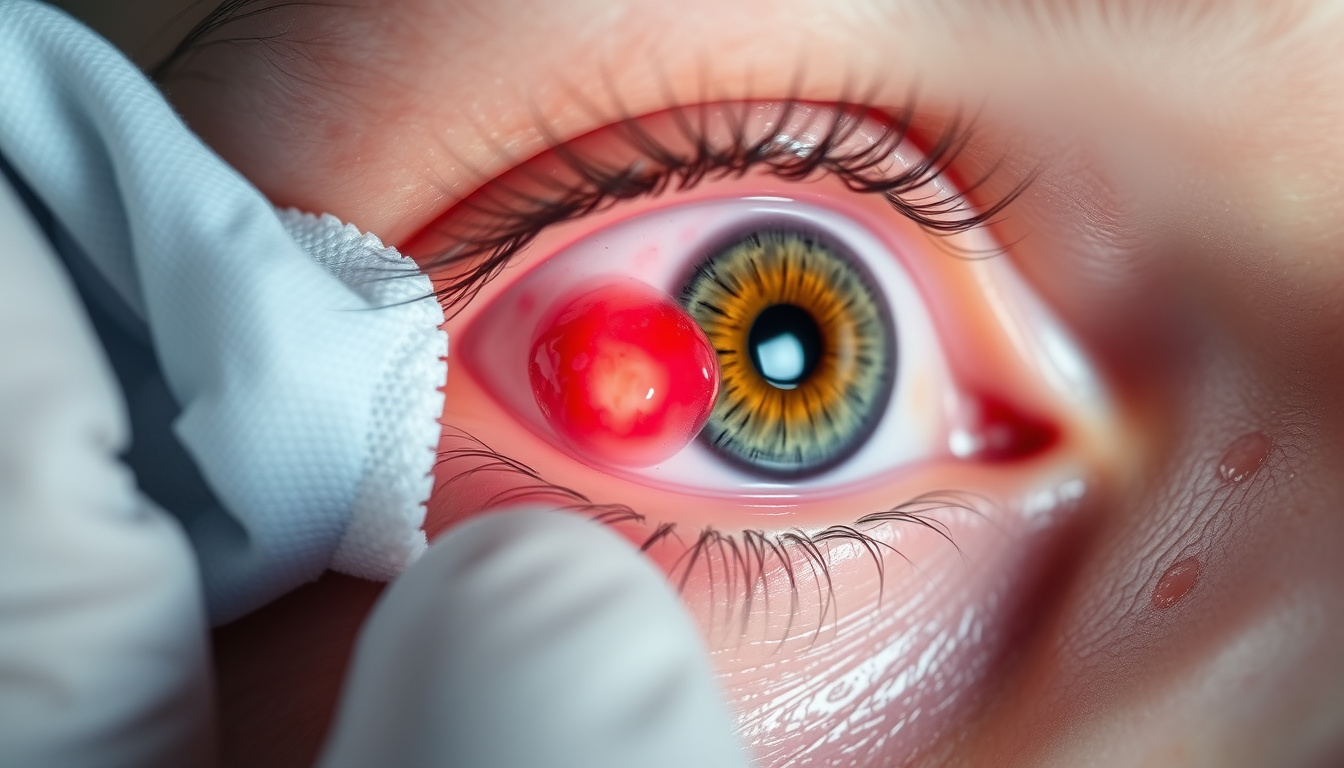

Anyone who has woken up with a tender, red bump on their eyelid knows that uneasy feeling. That small lump is likely a stye — a common bacterial infection that usually clears up on its own within a week.
Common cause: Bacterial infection (Staphylococcus aureus) ·
Typical duration: 5–7 days ·
Prevalence: Very common, affects people of all ages ·
First-line treatment: Warm compresses applied 3–4 times daily
Quick snapshot
- Styes are caused by bacterial infections, most commonly Staphylococcus aureus (Cleveland Clinic ophthalmic patient education).
- Warm compresses are an effective home treatment to speed healing (HealthXchange Singapore public health authority).
- Styes are not directly contagious, but bacteria can spread (Columbia Doctors academic medical center).
- The exact role of stress in triggering styes is not fully established (Dr. Agarwal’s Eye Hospital ophthalmic provider).
- Whether frequently changing pillowcases significantly reduces incidence has limited direct evidence (University of Michigan Health academic medical center).
- The effectiveness of over-the-counter ointments versus warm compresses alone is not well-studied (Healthline health publisher).
- Day 1–2: Swelling and pain develop (MyHealth Alberta public health authority).
- Day 3–4: Pus forms; bump becomes more visible (Cleveland Clinic ophthalmic patient education).
- Day 5–7: Often ruptures and drains naturally; pain decreases (Columbia Doctors academic medical center).
- Most styes heal completely within a week (MyHealth Alberta public health authority).
- If the stye does not improve in 48 hours, consult a doctor (University of Michigan Health academic medical center).
- Recurring styes may require evaluation for underlying conditions (Dr. Agarwal’s Eye Hospital ophthalmic provider).
Five key facts summarise the medical profile of a stye, from its clinical name to when professional care becomes necessary.
| Label | Value |
|---|---|
| Medical term | Hordeolum |
| Location | Eyelid margin, often near the eyelash line |
| Typical healing time | 5–7 days without treatment; faster with warm compresses |
| Home care | Warm compress, gentle lid hygiene |
| When to see a doctor | If the stye does not improve in 48 hours, or if vision changes occur |
What is the main cause of a stye?
What bacteria cause styes?
A stye forms when bacteria infect an eyelash follicle or one of the tiny oil glands along the eyelid margin. The most common culprit is Staphylococcus aureus, a bacterium that lives harmlessly on skin but can cause infection when it enters a blocked gland (Cleveland Clinic ophthalmic patient education). The infection produces a tender, red bump that resembles a pimple.
How do blocked oil glands lead to infection?
When an oil gland becomes blocked — by dead skin cells, dried oil, or debris — bacteria multiply inside the trapped oil. The body responds with inflammation, creating the characteristic swelling and pain (Columbia Doctors academic medical center). This is why styes are likened to a pimple on the eyelid: same mechanism of blockage plus bacteria.
Are styes caused by poor hygiene?
Not exactly, but hygiene habits influence risk. Touching the eyes with unwashed hands, sharing towels, or using expired eye makeup can introduce bacteria to the eyelid area (HealthXchange Singapore public health authority). However, many styes occur in people with excellent hygiene — the key is the combination of blockage and bacteria, not dirt alone.
Clean habits reduce risk but cannot eliminate it. The eyelid’s anatomy — tightly packed glands on a thin margin — makes occasional blockages almost inevitable.
The implication: a stye is essentially a localised skin infection, no different from a pimple. Hygiene helps, but the real driver is a blocked gland plus bacteria.
How do you get rid of a stye quickly?
Warm compress method
Applying a warm, wet compress for 10 to 15 minutes, three to five times a day, is the cornerstone of home treatment (HealthXchange Singapore public health authority). The heat thins the blocked oil and encourages the stye to drain naturally. Columbia Doctors academic medical center recommends compresses for 5 to 10 minutes, 3 to 6 times a day — either protocol works.
Gentle eyelid massage
After compressing, gently massaging the eyelid in a circular motion may help express the blocked gland. Use a clean fingertip, and stop if it hurts (University of Michigan Health academic medical center). Do not attempt to squeeze or pop the stye — that can push the infection deeper.
When to use antibiotic ointments
Over-the-counter antibiotic ointments are available, but their superiority over warm compresses alone is not well-established (Healthline health publisher). Some doctors prescribe prescription-strength ointments if the stye is severe or recurrent. Always consult a healthcare provider before starting antibiotics.
What to avoid: popping or squeezing a stye
Never pop a stye. Squeezing can rupture the gland and spread bacteria to surrounding tissues, leading to cellulitis or an orbital infection (Columbia Doctors academic medical center). Let it drain on its own, or let the warm compresses do the work.
The fastest way to heal a stye is to resist the urge to interfere. Patience with compresses — not aggressive action — wins.
The pattern: home care works for the vast majority. Antibiotics are a backup, not a first step.
Is eye stye caused by stress?
How stress affects the immune system
Chronic stress suppresses the immune system, making the body more vulnerable to infections of all kinds (Dr. Agarwal’s Eye Hospital ophthalmic provider). When immunity dips, bacteria that normally live harmlessly on the skin may cause infection.
Does stress directly cause styes?
There is no direct evidence that stress alone causes a stye. The relationship is indirect: stress weakens defences, so a blocked gland that might have resolved without infection can become infected (HealthXchange Singapore public health authority). Put another way, stress is a contributor, not a trigger.
Other lifestyle factors that contribute to styes
Lack of sleep, poor nutrition, and dehydration also lower immunity and can increase stye frequency (University of Michigan Health academic medical center). Managing overall health — sleep, diet, hydration — may reduce recurrence.
Blaming stress alone is convenient but incomplete. The real lever is immune health, and that means addressing sleep and nutrition alongside stress.
The pattern: stress is a contributing factor in a chain, not the root cause. Fix the chain, not just one link.
Can a dirty pillowcase cause a stye?
How bacteria transfer from pillowcases
Pillowcases accumulate bacteria, oil, dead skin cells, and makeup residue over time. When you press your eyelid against a soiled pillowcase, those contaminants can enter the oil glands and trigger a stye (Healthline health publisher).
How often to change pillowcases
Ophthalmologists recommend changing pillowcases at least once a week — more often if you have acne or blepharitis (Columbia Doctors academic medical center). This simple habit reduces the bacterial load your eyelids encounter each night.
Other hygiene factors to prevent styes
Wash hands before touching your face, avoid sharing towels, replace eye makeup every three to six months, and clean makeup brushes regularly (HealthXchange Singapore public health authority). Contact lens wearers should follow strict hygiene and avoid sleeping in lenses.
The trade-off: pillowcase hygiene is cheap and easy, but its effect size is modest. It’s one piece of a larger prevention puzzle.
What triggers an eye stye?
Common triggers: bacteria, makeup, contact lenses
The most common triggers are bacterial contamination from unwashed hands, old or shared eye makeup, and poor contact lens hygiene (Mayo Clinic health system). Mascara wands, eyeliner pencils, and brushes can harbour Staph bacteria. Contact lenses that are not cleaned properly can transfer bacteria from the lens surface to the eyelid.
Underlying conditions such as blepharitis and rosacea
Chronic eyelid inflammation (blepharitis) and the skin condition rosacea increase the likelihood of styes because they cause gland dysfunction and blockages (Dr. Agarwal’s Eye Hospital ophthalmic provider). People with these conditions often experience recurrent styes.
Repeated styes: what to do if they keep coming back
If you get styes frequently, see an ophthalmologist. You may have an underlying condition such as meibomian gland dysfunction or a chronic infection that requires prescription treatment (University of Michigan Health academic medical center). The doctor may recommend warm compress routines, lid scrubs, or in some cases, oral antibiotics.
Recurrent styes are not normal. They signal an ongoing problem with gland health or immunity that needs professional evaluation.
The implication: triggers are avoidable, but underlying conditions require management. Prevention is not just about behaviour — it’s about knowing your eyelid health.
Confirmed facts vs. what remains unclear
Confirmed facts
- Styes are caused by bacterial infections, most commonly Staphylococcus aureus (Cleveland Clinic ophthalmic patient education).
- Warm compresses are an effective home treatment (HealthXchange Singapore public health authority).
- Styes are not contagious, though bacteria can spread (Columbia Doctors academic medical center).
- Popping a stye can worsen infection (Columbia Doctors academic medical center).
What remains unclear
- The exact role of stress as a standalone cause (Dr. Agarwal’s Eye Hospital ophthalmic provider).
- Whether frequent pillowcase changes significantly reduce incidence (Healthline health publisher).
- Effectiveness of over-the-counter ointments vs. warm compresses alone (Healthline health publisher).
- Why some people get recurrent styes while others never do (University of Michigan Health academic medical center).
Expert perspectives on styes
“A stye is a painful bump on the edge of your eyelid.”
Cleveland Clinic ophthalmic patient education
“A stye usually goes away by itself within a week. To help it heal, apply a warm compress for a few minutes.”
“A stye is caused by a bacterial infection in the oil glands of the eyelid.”
These expert voices align: a stye is a common, self-limiting infection that responds well to simple home care.
What this means for you
A stye is your eyelid’s version of a pimple: annoying, temporarily ugly, but almost always harmless. The best course is to let warm compresses do the work, resist the urge to squeeze, and keep the area clean. If the bump doesn’t improve in two days, or if you get styes repeatedly, see a doctor. For the person who wants a fast, safe fix, the evidence is clear: use heat, not hands.
Understanding what causes a stye can help you identify the early signs and take steps to prevent them from developing.
Frequently asked questions
What is the difference between a stye and a chalazion?
A stye (hordeolum) is an acute bacterial infection of an eyelash follicle or oil gland, causing pain and pus. A chalazion is a blocked oil gland that becomes a firm, usually painless cyst (Columbia Doctors academic medical center).
Can a stye cause permanent eye damage?
Rarely. If left untreated or if you try to pop it, the infection can spread to surrounding tissues, causing cellulitis or an orbital infection. See a doctor promptly if you notice vision changes or worsening pain (Mayo Clinic health system).
Are styes more common in adults or children?
They affect people of all ages, but children and teenagers may be more prone due to frequent touching of the face and poorer hand hygiene (NHS UK public health service). Adults with blepharitis or rosacea also have higher rates.
How can I prevent styes from recurring?
Practice good eyelid hygiene: wash hands before touching your eyes, replace eye makeup regularly, clean contact lenses properly, and manage underlying conditions like blepharitis (HealthXchange Singapore public health authority).
Is it safe to use over-the-counter stye ointments?
OTC ointments may help, but evidence is limited. Consult a doctor before using them, especially if you have sensitive eyes or wear contact lenses (Healthline health publisher).
Can I wear contact lenses if I have a stye?
No. Stop wearing contact lenses until the stye has completely healed. Wear glasses instead to avoid introducing bacteria to the eye (Mayo Clinic health system).
Does a stye require antibiotics?
Most styes heal without antibiotics. A doctor may prescribe antibiotic ointment or oral antibiotics if the stye is severe, recurrent, or accompanied by fever (University of Michigan Health academic medical center).
Related stories




James Holloway covers culture, lifestyle and society for MorningTimes.uk.