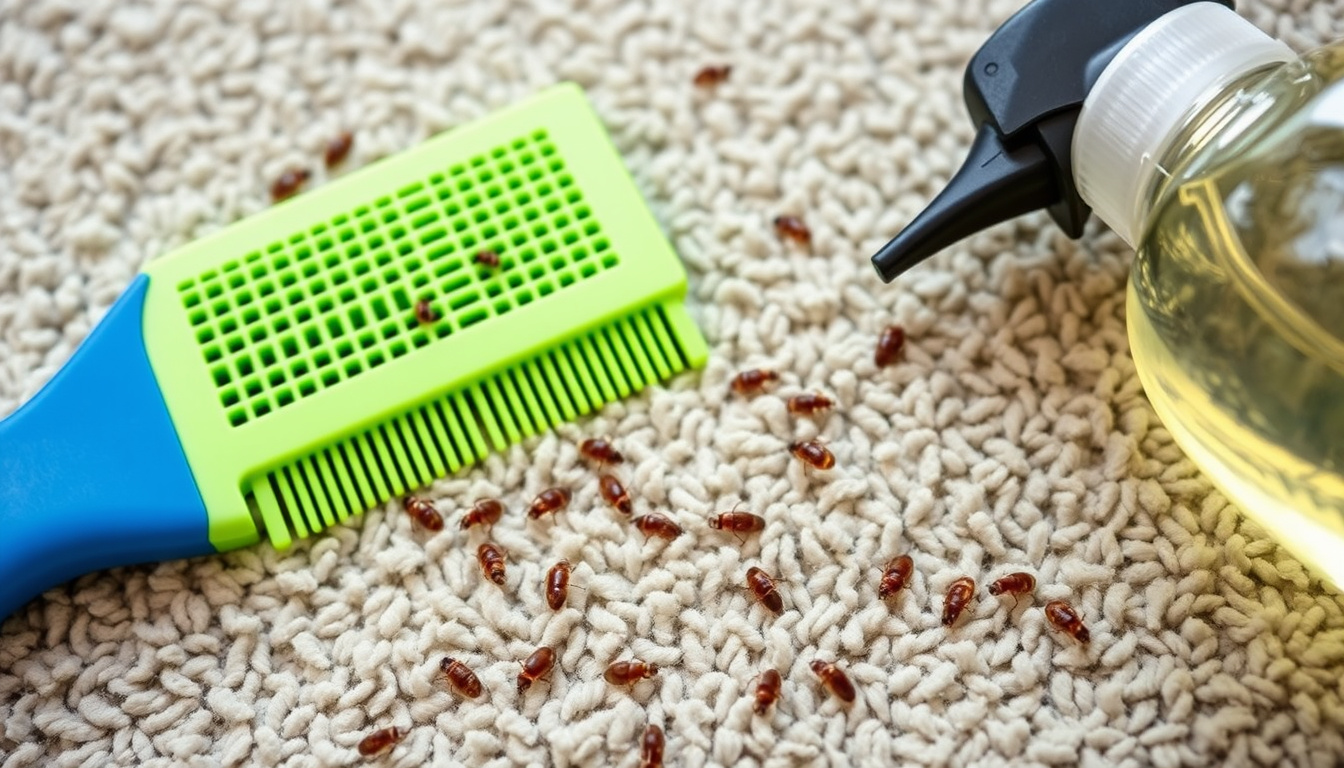
The itch is unmistakable, and if you’ve woken up with a fresh constellation of tiny red bumps on your ankles, you’re probably wondering who decided to make you their midnight buffet. Flea bites are annoying, but they’re also a puzzle—the answer involves your skin, your bed, your pets, and the hidden life cycle in your carpet, and this guide will help you identify them, sort lookalikes, and reclaim your home.
Average healing time for flea bites: 1–2 weeks ·
Fleas can lay per day: up to 50 eggs ·
Flea jump distance relative to body length: 150 times
Quick snapshot
- Bites are small red bumps, usually on the lower legs, and can be clustered or in lines (MedlinePlus).
- Hot water washing above 130°F kills fleas and eggs (Harvard Health Publishing).
- Fleas can lay up to 50 eggs per day, making rapid, layered treatment crucial (EPA).
- Whether ultrasonic repellent devices actually deter fleas in real-home settings.
- If fleas show any preference for certain human blood types.
- The real-world effectiveness of homemade flea traps that lack an attractant.
- Flea season typically peaks in warm, humid months, with August through October often being the worst in temperate climates (University of Kentucky Entomology).
- An adult flea can live for 2–3 months, meaning a single missed treatment area can restart an infestation. (University of Kentucky Entomology)
- Treat pets, bedding, and home simultaneously to break the flea life cycle; missing one area risks a rebound.
- Continue regular vacuuming and washing for several weeks to catch newly hatched fleas.
Here are the key facts about fleas at a glance.
| Fact | Data |
|---|---|
| Adult flea lifespan | 2–3 months (can live longer without food) |
| Eggs per day | Up to 50 |
| Jump height | Up to 7 inches (150x body length) |
| Bite healing time | 1–2 weeks |
| Bite location | Lower legs, ankles, exposed skin (StatPearls / NCBI Bookshelf) |
| Wash temperature to kill fleas | Hot water above 130°F / 54°C (Harvard Health Publishing) |
How do I know if bites are fleas?
Flea bites are the calling card of a very specific pest, and they have a distinct signature. According to Cleveland Clinic (a health system), the bites appear as small red bumps, often in clusters or lines, and they itch intensely because of the anticoagulant in flea saliva. The most telling detail is location: they usually target the lower legs and ankles, although StatPearls / NCBI Bookshelf (a medical reference resource) notes they can show up on exposed upper extremities and hands as well.
What can be mistaken for flea bites?
- Bed bug bites often appear in a straight line or zigzag pattern, whereas flea bites are more scattered and random.
- Mosquito bites are usually larger, isolated welts, rather than the small, clustered bumps fleas leave behind.
- Chigger bites typically concentrate around tight clothing areas like the waist or ankles and cause more severe swelling.
- Mite bites can look similar but often occur where skin is in contact with furniture or vegetation.
Comparing bite types side by side helps clarify the differences.
| Bite type | Appearance | Typical location | Pattern |
|---|---|---|---|
| Flea bites | Small red bumps | Lower legs, ankles | Scattered, random clusters or lines |
| Bed bug bites | Small red bumps, often with a darker center | Any exposed skin, often arms and shoulders | Straight lines or zigzags |
| Mosquito bites | Larger, raised welts | Any exposed skin | Isolated, single bumps |
| Chigger bites | Red, intensely itchy bumps with possible swelling | Waist, ankles, tight clothing areas | Concentrated clusters |
| Mite bites | Small, red, itchy bumps | Areas contacting furniture or vegetation | Variable, often linear |
How can I tell if I have fleas?
Bites alone aren’t a surefire diagnosis. You need to look for the fleas themselves or their droppings. Check your pets for small, dark, jumping insects, and look for “flea dirt”—black specks that turn reddish-brown when they get wet—on pet bedding or fur. If you see these signs, it’s confirmation that your bites are likely from fleas.
The pattern to look for is location and randomness. Flea bites are a scattershot of small red bumps, mostly below the knee, not the regimented line that bed bugs typically follow.
Can fleas live in a bed?
Yes, and they’re very comfortable there, especially if your pet joins you for sleep. Fleas can take refuge in mattress seams, box springs, and bedding, where they wait for a warm body to pass by. EPA (the U.S. environmental protection agency) guidance emphasizes washing pet bedding—and any family bedding where pets lie—in hot, soapy water every two to three weeks to curb this.
Are fleas biting me in bed?
- Signs of fleas in bed include flea dirt, tiny white eggs, or spotting small jumping insects on the sheets.
- Fleas prefer animal hosts but will turn to humans if pets are treated or not present.
- Vacuuming the mattress and box spring is essential to remove them from the bedroom environment.
The catch: you might not be the target. Fleas are just looking for a blood meal, and if your pet is no longer accessible or is wearing a repellent collar, you become the backup option. The bite patterns on your lower legs are the evidence that they’ve found you.
What clears up flea bites fast?
You can’t kill the fleas with a cream, but you can aggressively manage the itch. For immediate relief, AAFA (asthma and allergy organization) recommends over-the-counter hydrocortisone cream to reduce swelling and itching. MedlinePlus (a U.S. health information source) adds that oral antihistamines can help manage the systemic itch, and cold compresses calm the area.
How long do flea bites last?
- The intense itching usually peaks within a day or two and subsides as the body processes the saliva.
- Complete healing of the bite marks typically takes 1–2 weeks, with treatment shortening the uncomfortable phase (Cleveland Clinic).
- Scratching can break the skin, raising the risk of infection and prolonging the healing timeline (Cleveland Clinic).
Does showering get rid of fleas on humans?
Showering will wash off any adult fleas that are on your body, which is a good thing, but it does nothing for the bites already administered. The saliva is already in your skin, triggering the reaction. Better Health Channel (a government health service) notes the immediate welt appears quickly, but the itching is a cascade that washing can’t undo.
If pain, redness, oozing, or crusting develops at the bite site, it’s a sign of secondary bacterial infection, and you need medical advice, not more antihistamines (DermNet).
Why this matters: treating the itch is only half the battle. If you scratch until you break the skin, you open the door to a bacterial infection that turns a nuisance into a medical issue. The trade-off is simple: quick OTC relief now beats a dermatologist visit later.
What kills fleas instantly on bed?
Killing fleas in the bedroom requires heat, force, and patience. Start with your bedding. Harvard Health Publishing (a university medical resource) advises washing human and pet bedding in hot water and drying on high heat—the temperature is what breaks the life cycle. Next, vacuum thoroughly, hitting mattress seams, box springs, and the floor around the bed. CDC (the U.S. public health agency) stresses the importance of emptying the vacuum bag outside immediately, or you’re just housing the problem.
Steam cleaning is another reliable method, as the heat kills fleas and eggs on contact. For persistent problems, EPA-approved sprays or a light dusting of diatomaceous earth along baseboards and under the mattress can act as a barrier.
- Strip the bed and wash all sheets, blankets, and pillowcases in hot water (above 130°F). Dry on high heat.
- Vacuum the entire mattress, paying special attention to seams and tufts. Move to the box spring and then the floor.
- Dispose of the vacuum bag or empty the canister into a sealed outdoor trash bin.
- Apply a targeted flea spray to the mattress and baseboards, or use diatomaceous earth in cracks and crevices.
- Steam clean carpets and upholstered furniture to kill hidden life stages.
- Repeat the vacuuming and washing routine every few days for two to three weeks to catch newly emerging fleas.
The catch: there is no “instant” fix that solves the problem in one evening because of the flea life cycle. You’re killing adults today, but the eggs and pupae are waiting for the right conditions. The consequence of skipping the repeat vacuuming is a resurgence in a week or two, just as you thought you’d won.
What month is worst for fleas?
In most temperate climates, flea pressure is highest in late summer and early fall, roughly August through October. Warm, humid weather is ideal for flea reproduction, and indoor heating can extend their activity deep into the winter months. University of Kentucky Entomology (a university extension service) highlights that hiding spots—beneath beds, furniture, cushions, and throw rugs—are exactly where pets sleep and where you should focus your vacuuming.
Where do fleas hide in the house?
- Pet bedding and furniture that pets use daily.
- Carpets, especially under heavy furniture or in low-traffic corners.
- Cracks in hardwood floors, baseboards, and upholstery seams.
- Bedding and mattress seams where pets lounge.
What smells do fleas hate?
Several natural scents may help repel fleas, though they are not lethal. Cedar, eucalyptus, lavender, and citronella are often cited as deterrents. In practice, these scents are useful as a mild preventative layer, not a solution for an active infestation. If you’re already seeing bites, you need the washing and vacuuming protocol, not just a lavender sachet.
The worst flea month isn’t about the fleas that bite you today—it’s about the eggs they laid in July. By August, the population has compounded, and you’re reaping what their reproduction cycle sowed.
The trade-off: using natural repellents alone is like building a fence after the cows have escaped—it might keep new ones out, but it doesn’t address the ones already in the house. For most homeowners, the layered approach of heat, vacuuming, and chemical treatment is the only reliable eradication method.
Confirmed facts vs. what remains unclear
Flea bite science is solid on several points. The intense itching is caused by flea saliva anticoagulants (Cleveland Clinic), and hot water washing kills fleas and eggs. We also know fleas can carry diseases like cat scratch fever, which is a good reason to treat infestations seriously.
Confirmed
- Flea bites cause intense itching due to saliva anticoagulants (Cleveland Clinic).
- Hot water washing (>130°F) kills fleas and eggs (Harvard Health Publishing).
- Flea populations peak in warm, humid months.
- Eliminating fleas requires treating pets, home, and often outdoor areas (MedlinePlus).
What’s unclear
- Whether ultrasonic repellents effectively deter fleas in real-world settings.
- Whether fleas prefer specific human blood types.
- Effectiveness of homemade flea traps without attractants.
“The biggest mistake homeowners make is stopping treatment after the bites stop. The fleas are still in the pupal stage, and they’re just waiting for the right moment to emerge.”
— A perspective echoed by University of Kentucky Entomology guidance on flea control.
“Flea bites are a nuisance, but the real concern is secondary infection from scratching. Keeping the skin intact is the first priority.”
— DermNet (a dermatology resource) on the clinical perspective.
Here’s the thing: a confirmed bite tells you where you’ve been, but the unclear parts—like whether those flea traps work—tell you where you need to be cautious with your time and money. The confirmed list is your action plan; the unclear list is your “don’t waste your energy” list.
Frequently asked questions
Can flea bites cause infections?
Yes, but only if you scratch them open. DermNet notes that secondary bacterial infection is possible, indicated by pain, redness, oozing, or crusting. If you see those signs, seek medical advice. Keeping the area clean and covered helps prevent this.
Do flea bites look different on pets vs humans?
On pets, flea bites are harder to see because fur covers the skin, but you’ll notice excessive scratching, biting, and hair loss, especially around the tail base and belly. On humans, the bites are visible as small red bumps, usually on the lower legs and ankles.
Should I see a doctor for flea bites?
Yes, if you experience a severe allergic reaction, signs of infection (oozing, crusting, spreading redness), or fever and body aches. Cleveland Clinic advises seeking medical advice for systemic symptoms.
How to prevent flea bites while sleeping?
Wash your bedding in hot water weekly, vacuum the mattress and bedroom floor regularly, and treat your pets with vet-approved flea prevention. If the infestation is active, consider using a flea spray on the mattress and box spring.
Are some people more allergic to flea bites?
Yes. DermNet explains that some people develop a condition called papular urticaria—a more pronounced allergic reaction to flea saliva. This involves larger, harder, and more persistent itchy bumps.
Can fleas live on human hair?
Fleas can jump onto your body or scalp, but they don’t live there. They prefer animal hosts with fur to hide in, and they typically jump off humans quickly. The risk is them biting you before they leave, not establishing a colony in your hair.
Does vacuuming alone get rid of fleas?
No. Vacuuming is essential and removes eggs, larvae, and adults, but it doesn’t kill everything, especially well-hidden pupae. You need to combine vacuuming with washing bedding, treating pets, and possibly using chemical treatments to break the full life cycle.
For the reader dealing with itchy ankles today, the choice is clear: treat the bites now for relief, then attack the living environment with heat and repeated vacuuming over the next three weeks, or keep waking up to new bites. The eradication plan isn’t glamorous, but it’s the only thing that works when you don’t want to share your bed with your pets’ uninvited guests.
Related stories





Richard Vane is Senior Reporter at MorningTimes.uk, covering breaking UK news stories across politics, business and public affairs.