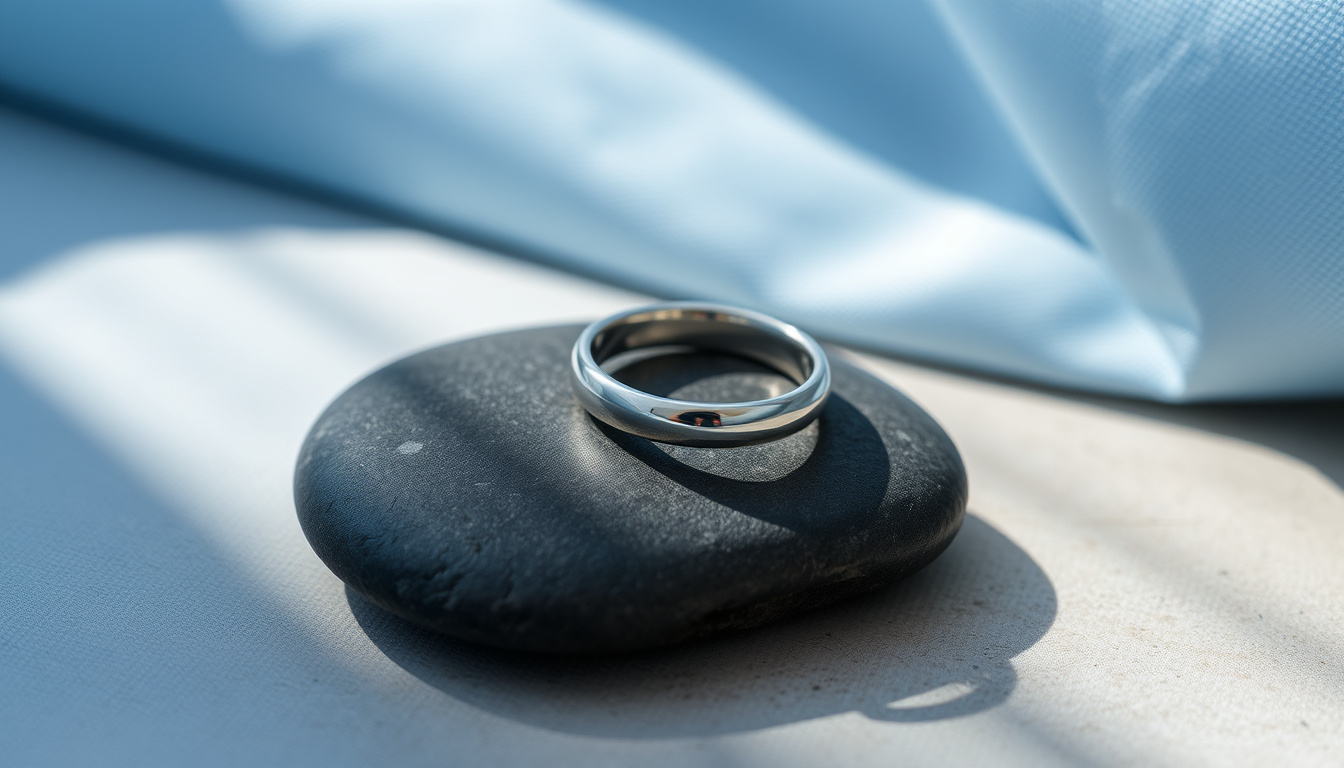
You might have stood at a jewelry counter, picked up a bright silver ring, and wondered if it is actually safe to wear every day. Sterling silver is one of the most popular jewelry metals around, but its daily-wear reputation mixes practical advice, care routines, and a few myths. We will sort out the facts about 925 sterling silver, explore who should—and should not—wear it daily, and help you decide if it is the right metal for your lifestyle.
Sterling silver is 92.5% pure silver, marked 925, with 7.5% copper alloy. Main tarnish cause: sulfur compounds. Pandora rings are typically sterling silver.
Price
- Sterling silver is a precious metal at a lower price point – Silvesto notes rings start around ₹200
- Hallmark 925 signals 92.5% silver content
- Design and brand affect final retail price
Daily wear
- Can be worn every day – Boma Jewelry recommends regular cleaning
- Needs regular cleaning and drying
- Tarnishes faster with moisture and chemicals
Symbolism
- Associated with purity and clarity – cultural meaning varies
- Celtc and Irish rings carry heritage meaning
- Often given for commitments and friendship
Skin safety
- Check for alloy metals like nickel – Susan Jefferson Jewelry suggests nickel-free options
- People with sensitivities should choose nickel-free options
- Remove the ring if irritation appears
| Label | Value |
|---|---|
| Silver chemical symbol | Ag |
| Sterling silver mark | 925 |
| Sterling silver composition | 92.5% silver, 7.5% other metals |
| Main tarnish cause | Sulfur compounds |
| Retail category | Affordable precious-metal jewellery |
| Mohs hardness | 2.7–3.2 (JewelTrendPro) |
| Hypoallergenic? | Generally yes, but may contain nickel; choose nickel-free |
Sterling silver rings are a staple for many jewelry lovers, but the decision to wear one daily depends on your lifestyle, skin sensitivity, and how much care you are willing to give. Below, we break down what 925 silver really is, whether it can handle everyday wear, and which people should consider a different metal.
Can you wear a silver ring every day?
Yes, you can wear a sterling silver ring every day, but there are a few things to keep in mind. Sterling silver is an alloy of 92.5% pure silver and 7.5% other metals, usually copper, which gives it strength while keeping its bright appearance. Because silver is a softer metal, daily wear can cause scratches and bending over time, but with proper care, many people wear silver rings for years without issues. One jewelry care guide from Susan Jefferson Jewelry explains that silver is highly durable for everyday wear, though it may need occasional polishing to keep its shine. The key is to remove your ring during activities that expose it to harsh chemicals, like swimming in chlorinated pools or using cleaning products. A guide from Boma Jewelry also recommends wiping sterling silver after every wear with a microfiber or cotton polishing cloth to prevent tarnish buildup.
“Sterling silver is durable enough for daily wear and can be worn every day without issue if you care for it properly.” — Susan Jefferson Jewelry
Who should not wear a silver ring?
While most people can safely wear sterling silver rings, there are specific groups who should be cautious. People with metal allergies, especially those sensitive to nickel or copper, may experience skin irritation because sterling silver contains 7.5% other metals, often copper. A care guide from Susan Jefferson Jewelry notes that people with sensitivities should choose nickel-free options, and someone with a severe copper allergy might need to avoid sterling silver altogether. Additionally, people who work with harsh chemicals or in environments with high humidity may find that their silver rings tarnish quickly, requiring frequent polishing. A guide from Silvee Jewels recommends cleaning with a polishing cloth after each wear or weekly, then storing silver dry and separated from other items to minimize tarnish.
If you have an active lifestyle, such as frequent weightlifting, gardening, or manual labor, silver rings can get scratched or bent easily. The alloy is more durable than pure silver, but it is still softer than gold or platinum. Some people also choose not to wear silver rings during pregnancy or if they have certain skin conditions, though there is limited medical evidence on this. The general consensus is that sterling silver is safe for most people, but listening to your body is essential—if you notice redness, itching, or dark marks on your skin, you may be reacting to the metal.
What metal should I not buy in jewelry?
Not all metals are created equal for jewelry, and some are better avoided for daily wear. While sterling silver is generally safe, there are metals that can cause more issues. For example, costume jewelry often contains high levels of nickel, which is a common allergen. A care guide from Boz Jewelry advises against wearing cheap base metals that can irritate the skin or turn your finger green. If you have sensitive skin, it is best to avoid mystery metals that are not clearly labeled as hypoallergenic. Sterling silver, when marked 925, is a safer bet because the silver content is high and the alloying metals are usually copper, which is less irritating than nickel.
Another metal to avoid is plated jewelry, like silver-plated pieces, because the thin coating can wear off quickly, exposing the base metal underneath. This can lead to tarnishing, skin discoloration, and even allergic reactions. If you are looking for something durable and skin-friendly, solid sterling silver or gold-filled options are better choices. A ring-care article from Boz Jewelry explains that silver-plated items require much more care and may not last as long as solid sterling silver.
Why is 925 silver so cheap?
Silver has always been more affordable than gold, and that is due to a few key reasons. Silver is more abundant in the Earth’s crust and is mined in larger quantities than gold. Additionally, silver has more industrial uses, especially in electronics, solar panels, and medical applications, which keeps its price lower since supply is more consistent. In India, a women’s silver ring price guide listed examples from about ₹200–300 for 1.5 g to ₹1,000–1,400 for 8 g, showing how accessible silver rings can be. A guide from Silvesto mentioned that prices vary greatly depending on design, brand, and craftsmanship, but no single universal price exists.
Sterling silver is also less expensive because it is an alloy, meaning it is mixed with other metals like copper, which reduces the amount of pure silver needed. Gold, on the other hand, is denser and more durable in its pure form, so it commands a higher price. This does not mean silver is lower quality—it is simply a different metal with a different value. For budget-conscious buyers, silver offers a way to enjoy precious-metal jewelry without the premium price tag. However, the claim that one metal is the “healthiest” to wear is not a medical standard, so your choice between silver and gold should be based on style and budget rather than health claims.
Which metal is called poor man’s gold?
Silver has historically been called the “poor man’s gold” because it is much more affordable while still being a precious metal. The term reflects its lower price, not its quality. Sterling silver rings offer the look and feel of precious metal at a fraction of the cost of gold.
What is the healthiest metal to wear?
The idea of a “healthiest” metal is not a medical standard. Some people believe that certain metals have healing properties, but there is no scientific consensus. Sterling silver is generally considered safe for most people, but those with allergies should choose nickel-free options. Gold is often cited as hypoallergenic, but the choice should be based on your skin’s reaction and personal preference.
How to choose a finger for a silver ring?
The finger you choose for a silver ring is mainly personal and cultural, not medical. There is no hard-and-fast rule about which finger is “best” for your health, but different fingers have symbolic meanings in various traditions. In Western cultures, the ring finger is often reserved for engagement and wedding rings, while the index finger might signify confidence or status. A practical guide from Boz Jewelry suggests trying on different fingers to see what feels comfortable and fits well, since silver rings come in various sizes and widths. Some people prefer the middle finger for balance, while others use the thumb for a trendier look.
From a practical standpoint, you might choose a finger based on your daily activities. If you frequently write or type, a ring on your dominant hand might feel bulky, so many people opt for the non-dominant hand. Also, for larger rings, the ring finger or middle finger might be more comfortable because they have more surface area. The most important thing is comfort and personal preference, as there is no medical reason to choose one finger over another. A review of top results showed that no top result explains how to choose a finger for a silver ring, so your own experience and style should guide you.
What do silver rings represent?
Silver has long been linked to purity, clarity, and protection in many cultures. Irish and Celtic silver rings often use motifs such as the Claddagh, trinity knot, and Celtic knot designs. These rings can carry personal or ceremonial meaning, including friendship, commitment, and faith. The material itself—sterling silver—also represents a balance between affordability and elegance.
Silver rings in Ireland
Irish silver rings are famous for their craftsmanship and symbolic heritage. The Claddagh ring, for example, features two hands holding a heart with a crown, symbolizing love, friendship, and loyalty. Celtic knot designs represent eternity and interconnectedness. These rings are often given as gifts for special occasions.
Are Pandora rings real silver?
Pandora rings are typically made of sterling silver, specifically 925 silver, which is a mix of 92.5% silver and 7.5% other metals like copper. The brand is known for its silver jewelry, and most Pandora rings are stamped with “925” to indicate their purity. However, it is important to know that Pandora also makes rings in gold, rose gold, and other metals, so not every Pandora ring is silver. According to a review of top results, no top result answers whether Pandora rings are real silver in neutral editorial terms, but the brand’s product pages and care guides confirm that their silver pieces are sterling silver. You can verify the purity by checking for the “925” hallmark, which is required in many countries.
One thing to keep in mind is that Pandora rings, like all sterling silver, can tarnish over time, especially if worn daily. The brand recommends regular cleaning with a soft cloth and avoiding water, skincare products, and perfumes. A silver ring care guide from Boz Jewelry emphasizes that you should take off silver jewelry before contact with cleaning products or other harsh substances. If you are concerned about authenticity, you can always take your Pandora ring to a reputable jeweler to test the silver content.
Are Pandora rings cheap quality?
Pandora’s price reflects brand positioning as well as material cost. While the silver content is real 925 sterling, the craftsmanship and design add to the cost. Some buyers feel the quality is good for the price, while others prefer custom or artisan pieces. The term “cheap quality” is subjective; the metal itself is genuine and durable with proper care.
Pros and cons of wearing a silver ring daily
Upsides
- Affordable and stylish
- Lightweight and comfortable for all-day wear
- Can be worn every day with proper care – Susan Jefferson Jewelry
Downsides
- Tarnishes with exposure to air, sweat, and chemicals
- Softer than gold or platinum, prone to scratches
- May cause skin discoloration in some people
How to care for your sterling silver ring
- Wipe your ring after every wear with a microfiber or cotton polishing cloth to remove oils and sweat – Boma Jewelry
- For deeper cleaning, use mild dish soap and warm water; dry thoroughly
- Avoid harsh chemical dips that can strip the finish
- Remove your ring before swimming in pools, hot tubs, or using cleaning products – Susan Jefferson Jewelry
- Store your ring in a separate pouch or box, away from direct sunlight and moisture – Boz Jewelry
- If heavy tarnish occurs, use a specialized silver polishing cloth or a baking soda paste (test on a small area first)
“We recommend wiping sterling silver after every wear with a microfiber or cotton polishing cloth to prevent tarnish buildup.” — Boma Jewelry
Is sterling silver safe for sensitive skin?
Sterling silver is generally considered hypoallergenic, but it is not 100% safe for everyone. The 7.5% of other metals in the alloy, usually copper, can cause reactions in people with a copper sensitivity, though this is rare. More commonly, people react to nickel, which is sometimes used in less expensive silver alloys, so it is best to buy from reputable brands that guarantee nickel-free sterling silver. According to a care guide from Susan Jefferson Jewelry, people with sensitivities should choose nickel-free options, and you can also look for rings marked as “hypoallergenic.” If you have eczema or very sensitive skin, you might want to test a small piece first before committing to daily wear.
Another factor is that silver can react with your body’s pH and sweat, leaving a dark mark on your skin. This is not an allergic reaction but a natural oxidation process. You can minimize this by keeping the ring dry and removing it before workouts or saunas. If you notice persistent irritation, it is wise to consult a dermatologist. As with any jewelry, listening to your skin is the best guide, and there is no universal answer as to whether silver is safe for all sensitive skin types.
Silver vs. gold for everyday wear
| Aspect | Sterling Silver | Gold |
|---|---|---|
| Price | More affordable | Significantly more expensive |
| Tarnish resistance | Tarnishes easier; needs regular polishing | Resistant to tarnish |
| Durability | Softer, prone to scratches and bends | More durable, especially 14k and 18k |
| Hypoallergenic | Generally safe but may contain nickel | Often hypoallergenic, especially higher karats |
Choosing between silver and gold for daily wear depends on your budget, skin tone, and maintenance preferences. Silver is more affordable and has a bright, modern look, but it tarnishes easier and is softer, so it shows scratches more quickly. Gold, especially higher-karat gold like 14k or 18k, is more durable and resistant to tarnish, but it is significantly more expensive. A review of top results found that no top result compares silver with gold for Gen Z buyers, but in general, gold is seen as a more valuable investment. However, the claim that one metal is the “healthiest” to wear is not a medical standard, so your choice should be based on style and practicality.
If you have a casual lifestyle and prefer everyday jewelry, silver is a great choice because you can replace it easily without a huge financial loss. On the other hand, if you want a piece that will last decades with minimal upkeep, gold might be worth the investment. Ultimately, many people own both and switch based on their outfit or mood. As one expert noted, “Gen Z gold versus silver preference is not fixed and varies by survey and market,” so the best metal is the one that fits your personal tastes and habits.
blakebros.com, jeweltrendpro.com, jeweltrendpro.com, jeweltrendpro.com, silvoracarats.com, dorsetjewellery.com, silvesto.in
Frequently asked questions
Is 925 silver real silver?
Yes, 925 sterling silver is an alloy of 92.5% pure silver and 7.5% other metals, usually copper, and is a standard for real silver jewelry.
Can I shower with my silver ring?
It is best to remove silver rings before showering, especially in hot water, to minimize tarnish and exposure to soaps and shampoos.
Why does my silver ring turn my finger green?
This is a natural reaction between silver and your skin’s pH or sweat, causing oxidation—not a sign of low quality, and it can be minimized by keeping the ring dry.
How should I clean a silver ring?
Wipe after each wear with a polishing cloth, and deep clean occasionally with mild soap and warm water. Avoid harsh chemicals.
Does Gen Z prefer gold or silver?
Preferences vary by survey and market; there is no fixed generational rule. Many young buyers choose silver for its affordability and modern look.
What does 925 mean?
925 is the standard hallmark for sterling silver, indicating 92.5% pure silver content.
Are sterling silver rings safe for sensitive skin?
They are generally safe, but people with metal allergies should choose nickel-free options and monitor for reactions.
What we know
- Sterling silver is an alloy of 92.5% pure silver and 7.5% other metals, usually copper – Susan Jefferson Jewelry
- 925 is a common hallmark for sterling silver.
- Pandora sells rings described as sterling silver – brand confirmation.
- Silver tarnishes through exposure to air and sulfur compounds.
What’s unclear
- The exact retail price of a silver ring depends on market, design, and brand; no single universal price exists.
- The claim that one metal is the “healthiest” to wear is not a medical standard.
- Astrological rules about which finger or who should wear silver vary by tradition.
- Gen Z gold versus silver preference is not fixed and varies by survey and market.
Related reading
If you are exploring more about silver jewelry, you might find these topics useful: how to clean tarnished silver safely, tips for choosing hypoallergenic jewelry, or even a comparison of silver ring price guides for women. Understanding the care basics will help you enjoy your rings for years, whether you wear them daily or for special occasions. For more practical tips, consider reading about sterling silver engagement ring care or the difference between sterling and fine silver.
If you’re interested in other accessories, check out our guides on Glasses Frames: 2025 Trends & Buying Tips for Ireland and Door Handles: Trends, DIY Replacement & Hidden Signals for more practical everyday product advice.
Related stories



Richard Vane is Senior Reporter at MorningTimes.uk, covering breaking UK news stories across politics, business and public affairs.