As more individuals seek advice and guidance from digital platforms, expectations around confidentiality and data protection are rising. Increased awareness of the risks associated with sharing personal information online has made privacy a deciding factor for many users. Providers now face growing pressure to ensure robust safeguards are in place and build trust among users who demand control over their data.
Online psychics has become a widely recognised term for seeking advice over the internet, highlighting the need for personal consultations and for privacy during these interactions. Users of online advice services often share sensitive personal information, making data protection especially important. The expansion to remote offerings, whether for financial planning, mental health support, or relationship guidance, means privacy expectations are now as important as the advice provided. Ensuring that users understand how their data is managed is vital for maintaining the trust that underpins all advice sectors.
How privacy concerns shape user expectations today
Users expect strong confidentiality when accessing online advice due to concerns about data misuse or unwanted exposure. This expectation applies to all parts of the interaction, from account creation to follow-up communications, and covers the sensitive information users share.
Having clear boundaries is increasingly important for those seeking advice online. People want assurances that service providers will not share personal stories without explicit consent and that communications remain private. These expectations influence which platforms and experts users trust with their personal concerns.
The ability to control shared information is also an important expectation. Many users look for transparency, including the option to review, download, or remove personal data and chat histories. Users expect services to provide settings that allow management of stored information, helping them maintain control over their digital footprint.
The types of data commonly collected and shared
When using online advice platforms, people generally provide account details such as names, email addresses, and sometimes phone numbers. These details are needed for identification, billing, and communication, but may also be used for marketing or analytics unless clear limits are outlined.
Payment metadata is another data point collected when accessing advice services. While this data supports transaction processing, it may include billing addresses and transaction histories, which could reveal personal habits if improperly disclosed.
Chat logs and conversation transcripts are commonly retained to allow both users and advisers to review previous discussions. However, storing these records can create privacy risks, especially if accessed by unauthorised parties or involved in a data breach. Device identifiers and IP addresses are also typically collected to help optimise the service, but should be managed carefully to minimise unnecessary tracking.
Oversharing through screenshots or use of shared devices can put your data at risk even before it leaves your control. Online services may retain conversation histories on local devices, which can introduce privacy concerns if you do not log out or use private browsing modes. Knowing where your data is stored can help you take steps to protect it further.
Platform safeguards and your role in protecting privacy
Many platforms now provide plain-language privacy notices and opt-in consent, clearly explaining what is stored, how it is used, and for how long. Opt-outs for marketing communications, cookies, or third-party trackers are commonly available on reputable platforms to improve transparency.
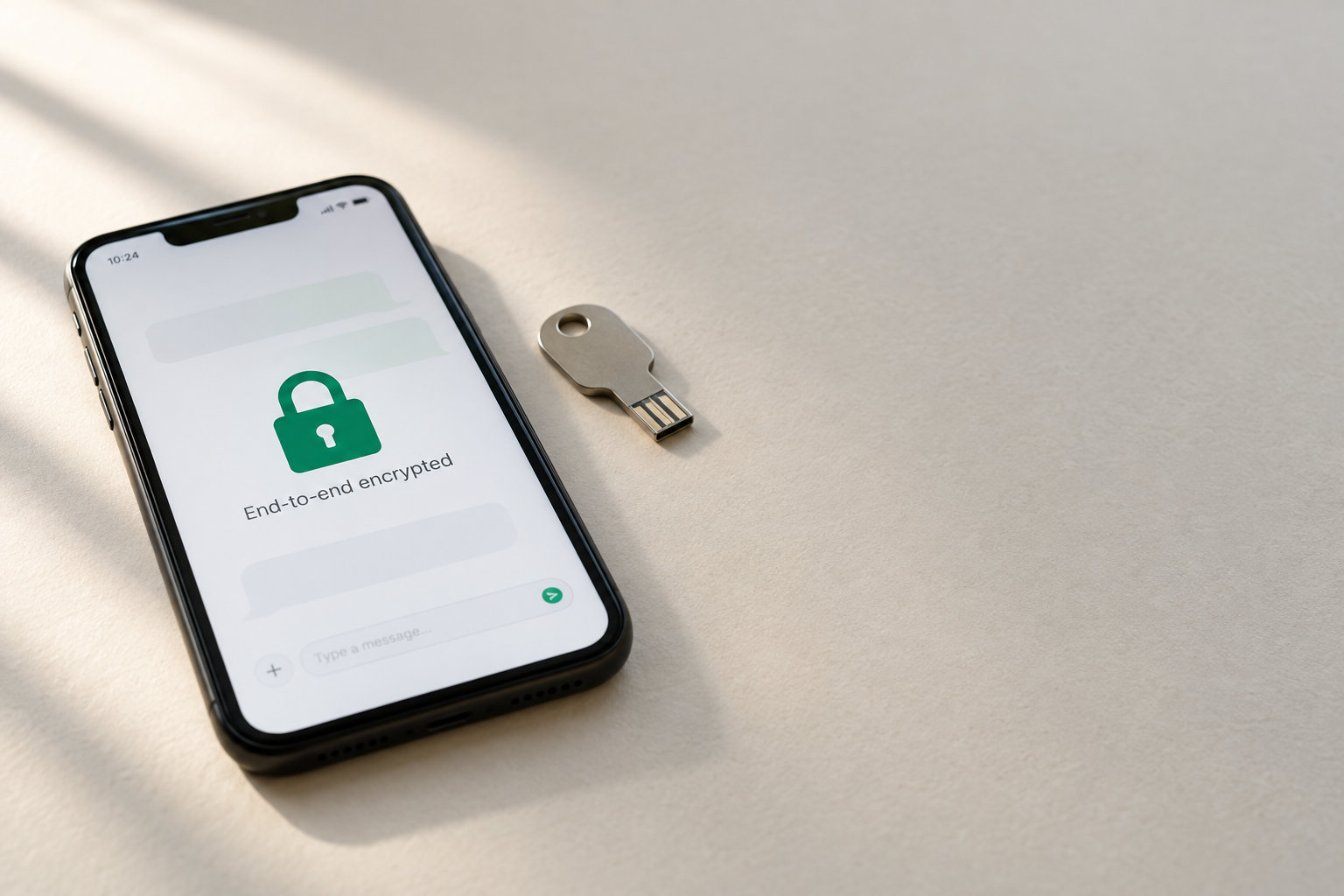
Services often use encryption for messages both in transit and when stored. Other security features like multi-factor authentication and limited access rights for staff help reduce unnecessary exposure of personal data. Having robust incident response processes is important to identify and address breaches while minimising risk to users.
Users can actively reduce their privacy risks by using strong passwords and enabling multi-factor authentication. Further privacy is supported by reviewing app permissions, monitoring account activity, and choosing pseudonyms or anonymous profiles where possible. When combined with platform-level safeguards, these steps provide more comprehensive protection.
Accountability, trust, and the future of online advice
Public accountability measures, such as independent reviews and published platform standards, help show that providers take privacy seriously. Codes of conduct for practitioners can also clarify how confidential data should be managed, building user confidence in digital advice services.
Trust in a provider increasingly depends on both the quality of advice and the clarity with which user data is protected. Demonstrating strong privacy policies helps providers stand out and encourages users to remain loyal to trusted services. As digital advice services continue to expand, these privacy measures are likely to become more common, setting a higher standard for both privacy and service quality across the industry.
Related stories





Richard Vane is Senior Reporter at MorningTimes.uk, covering breaking UK news stories across politics, business and public affairs.