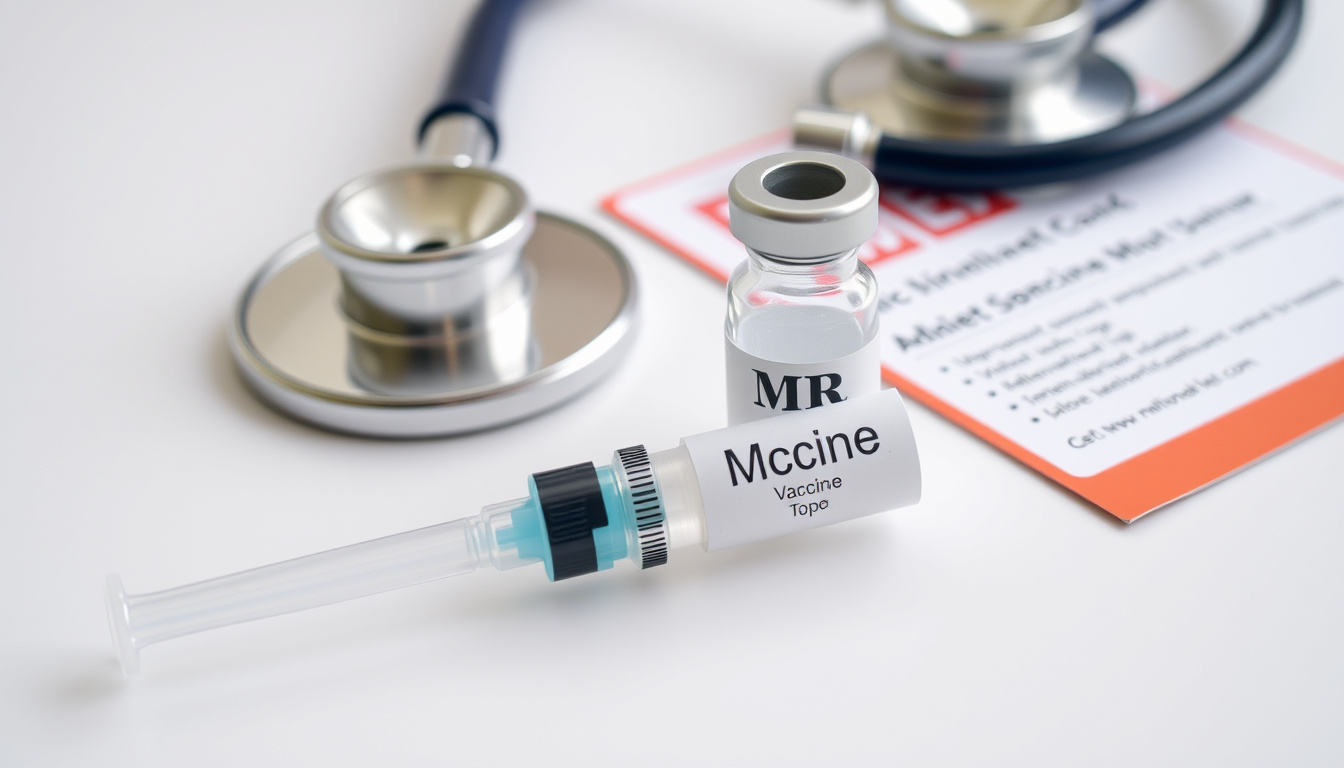
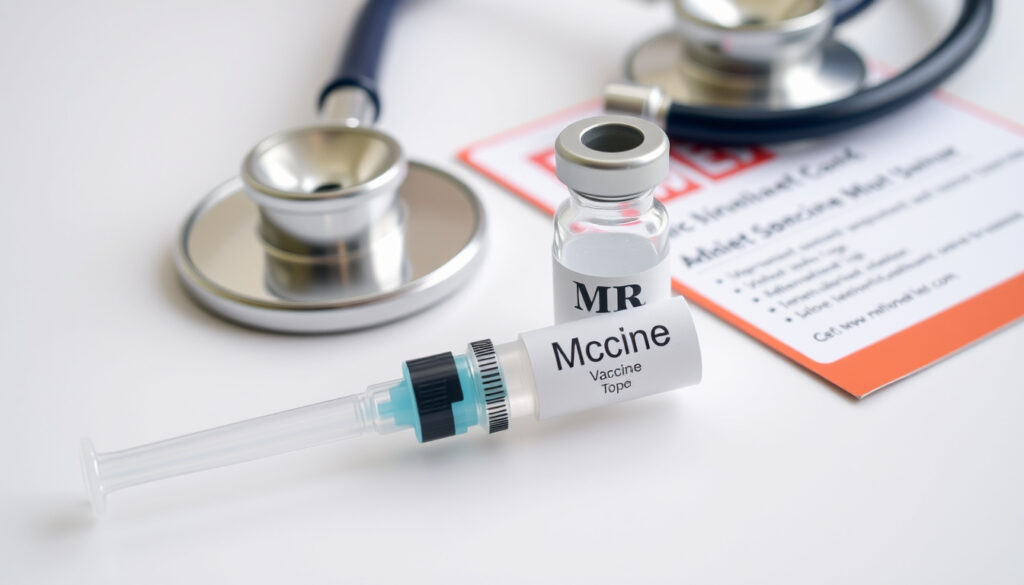
Think about the last time you had to decide whether a vaccine was right for you or your child. The MMR shot—protecting against measles, mumps, and rubella—is one of the most studied vaccines in history.
Recommended doses: 2 ·
Effectiveness after two doses (measles): 97% ·
First dose age: 12–15 months ·
Second dose age: 4–6 years ·
Deaths prevented globally per year (MMR): Over 1 million
Quick snapshot
- MMR is a live attenuated combination vaccine (CDC (U.S. health authority))
- Two doses are recommended for full protection (CDC Measles Vaccination)
- No link between MMR and autism (NHS (UK health service))
- Duration of immunity in people who received only one dose (CDC MMR information)
- Exact proportion of adults who are not immune and need revaccination (WebMD health platform)
- Whether future routine boosters will be required if waning immunity becomes widespread (CDC MMR information)
- Measles outbreaks are resurging in countries that had eliminated the disease, driven by vaccine hesitancy (WHO (global health body))
- Several countries lost measles elimination status (UK, Greece, Albania) in recent years (WHO (global health body))
- CDC now recommends a third MMR dose for people at risk during mumps outbreaks (CDC MMR vaccination information)
- Research continues on whether adult booster doses will become routine protection declines (CDC MMR vaccination information)
The table below summarizes the standard dosing and effectiveness figures from health authorities.
| Recommended number of doses | 2 (CDC Measles Vaccination) |
| First dose age | 12–15 months (CDC MMR vaccination information) |
| Second dose age | 4–6 years (CDC MMR vaccination information) |
| Measles effectiveness after two doses | 97% (CDC Measles Vaccination) |
| Mumps effectiveness after two doses | 88% (CDC MMR vaccination information) |
| Rubella effectiveness after one dose | 95% (CDC MMR vaccination information) |
What is the MMR injection?
How the MMR vaccine works
The MMR injection contains live, weakened versions of the measles, mumps, and rubella viruses. Once administered, the body mounts an immune response without causing the actual diseases. This is the same principle behind most childhood vaccines. According to the CDC (U.S. health authority), the vaccine produces long-lasting antibodies that recognize and fight the viruses if the person is ever exposed.
What diseases does it prevent?
- Measles: A highly contagious respiratory infection that can cause pneumonia, encephalitis, and death. Before the vaccine, measles caused millions of deaths worldwide each year. The WHO (global health body) reports that measles remains a leading cause of death among young children in some regions.
- Mumps: Known for causing swollen salivary glands, fever, and fatigue. Complications include meningitis, hearing loss, and orchitis in males. NHS (UK health service) notes that mumps can be serious, especially in young adults.
- Rubella (German measles): Usually mild in children, but dangerous during pregnancy—it can cause birth defects known as congenital rubella syndrome. The CDC (U.S. health authority) estimates that one dose of MMR is
Additional sources
Related stories
 Richard VaneStaff Writer
Richard Vane is Senior Reporter at MorningTimes.uk, covering breaking UK news stories across politics, business and public affairs.