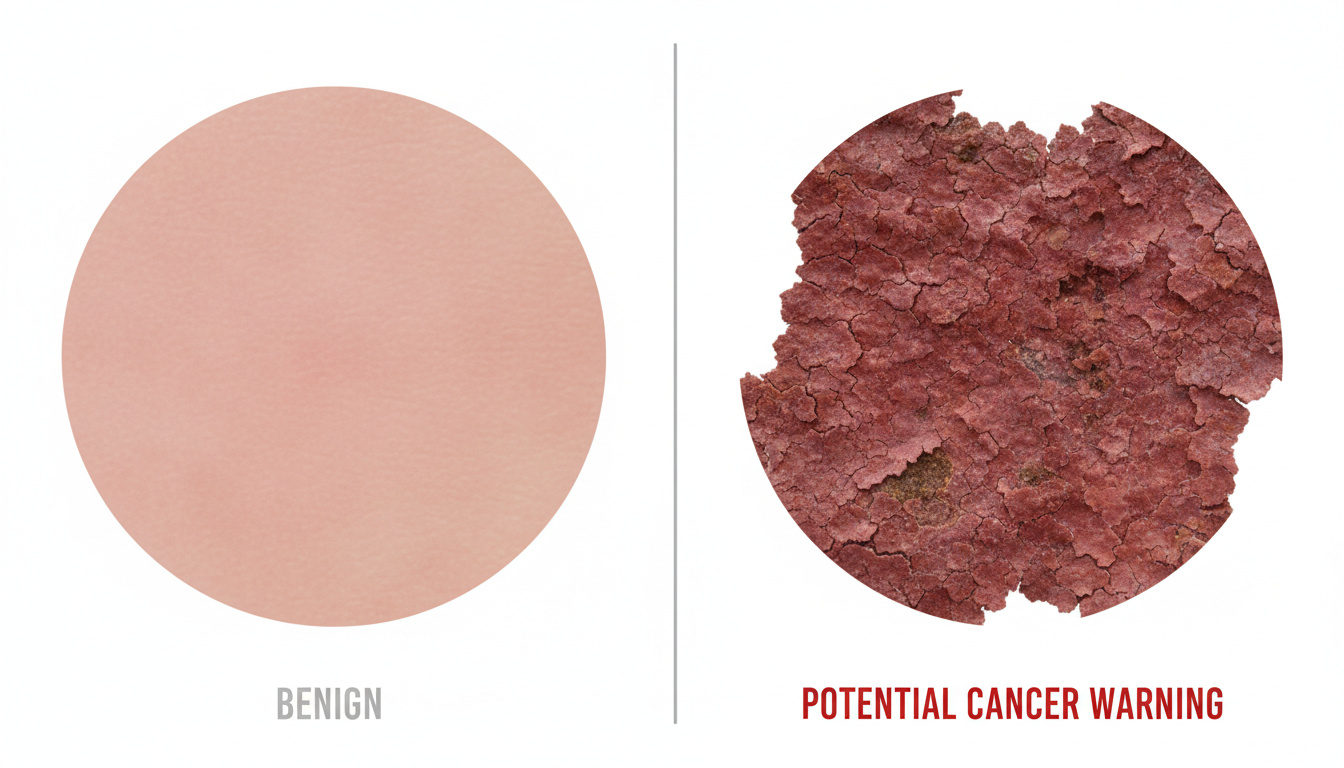

A rash beneath the breast typically signals intertrigo, a benign inflammatory condition affecting skin folds. While visual characteristics help distinguish between harmless irritation and concerning pathology, most cases stem from moisture and friction rather than malignancy.
Medical imaging and clinical photographs reveal distinct patterns that assist in preliminary self-assessment. Bright red, symmetrical patches usually indicate yeast overgrowth, whereas unilateral changes with texture abnormalities warrant professional evaluation.
Understanding these visual markers enables informed decisions about home management versus urgent medical consultation.
What Does Intertrigo Rash Under Breast Look Like?
Clinical photography distinguishes intertrigo through specific dermatological features. Images typically reveal raw, erythematous patches confined to skin folds where friction occurs.
| Condition | Visual Appearance | Common Causes | Quick Treatment |
|---|---|---|---|
| Intertrigo | Raw red patches in symmetrical folds, shiny surface | Friction, moisture accumulation, heat | Keep dry, barrier creams |
| Candidiasis | Bright red with satellite spots, possible discharge | Candida yeast overgrowth | Antifungal creams |
| Heat Rash | Small clustered bumps or blisters | Sweat duct blockage | Cooling, calamine |
| Inflammatory Breast Cancer | Orange-peel texture, unilateral swelling | Malignant cell blockage | Immediate biopsy |
Key Visual Indicators
- Intertrigo presents as erythematous, macerated skin precisely where the breast meets the torso.
- Yeast complications display satellite lesions—small peripheral pustules surrounding primary erythema.
- Benign rashes lack palpable lumps, nipple inversion, or unilateral restriction.
- Heat rash manifests as miliaria—tiny vesicles without the confluent redness of fungal infection.
- Darker skin tones may exhibit purple, brown, or grayish discoloration rather than bright red.
- Symmetrical distribution across both sides strongly suggests benign inflammatory origin.
Reference Table for Visual Diagnosis
| Symptom Observed | Likely Cause | Visual Indicator | Severity Level |
|---|---|---|---|
| Bright red, shiny patches | Candida intertrigo | Well-defined borders in folds | Moderate |
| Small surrounding spots | Yeast satellites | Pustules near main rash | Moderate |
| Raw, weeping surface | Secondary infection | Moist, crusted areas | High |
| Clustered tiny bumps | Miliaria/heat rash | Non-erythematous base | Low |
| Peau d’orange texture | Inflammatory cancer | Dimpled skin surface | Critical |
| Nipple eczema | Paget’s disease | Scaly, ulcerated areola | High |
Yeast Infection and Sweat Rash Under Breast Pictures
Identifying Candidiasis
Photographic guides reveal candidiasis as intensely erythematous plaques with characteristic satellite pustules. These secondary lesions appear as discrete, smaller red spots orbiting the primary rash periphery.
Clinical images demonstrate creamy white discharge accompanying severe infections, particularly when skin maceration permits bacterial colonization. The configuration typically respects anatomical folds, creating mirror-image patterns beneath both breasts.
Photographic documentation helps track healing progress. NHS guidelines indicate that antifungal therapy should produce visible improvement within one to two weeks. Persistent erythema beyond this timeframe necessitates reassessment.
Sweat Rash Distinctions
Heat rash, or miliaria, presents photographically as discrete papules or vesicles rather than confluent patches. Unlike intertrigo, these images show clear, non-inflamed skin between lesions, resembling tiny water blisters clustered across the inframammary region.
This condition results from obstructed eccrine ducts rather than microbial overgrowth, explaining the absence of satellite lesions or discharge in clinical photographs.
Cancer Rash Under Breast Pictures vs Benign Rashes
Inflammatory Breast Cancer Markers
Visual differentiation relies on pattern recognition. Inflammatory breast cancer images typically display unilateral involvement extending beyond the inframammary fold, accompanied by peau d’orange—skin resembling orange peel due to lymphatic obstruction.
Unlike intertrigo’s sharp demarcation at skin folds, malignant rashes blend gradually into surrounding tissue. Cancer-related changes often include rapid swelling and warmth without the symmetrical presentation of benign conditions.
Seek immediate evaluation for rashes presenting with unilateral texture changes, nipple retraction, or palpable masses. Benign intertrigo resolves with moisture control and antifungal therapy, whereas malignant conditions persist or progress despite appropriate treatment.
Paget’s Disease Presentation
Mammary Paget’s disease photographs reveal eczema-like changes specifically affecting the nipple and areola. Images show scaly, erythematous patches that may ulcerate or bleed, distinguishing them from the fold-limited distribution of intertrigo.
This condition often indicates underlying ductal carcinoma, requiring biopsy confirmation when visual inspection suggests eczematous nipple involvement without response to topical steroids.
Rash Under Breast Pictures and Treatment Options
Over-the-Counter Protocols
Photographic evidence supports specific therapeutic strategies. Cleveland Clinic protocols recommend clotrimazole or miconazole cream applied twice daily for one to two weeks for candidal intertrigo.
Clinical images demonstrate resolution sequencing: initial reduction in satellite lesions followed by fading of primary erythema. Patients should continue application 48 hours beyond visual clearance to prevent recurrence.
Gloucestershire Hospitals guidance emphasizes that pharmacological treatment fails without concurrent drying measures. Absorbent powders and breathable fabrics prove essential for therapeutic success.
Prescription Interventions
Severe cases documented in medical photography show extensive maceration requiring oral antifungals. DermNet NZ notes that biopsy may be necessary when clinical presentation suggests dual pathology or treatment resistance.
Secondary bacterial infection, identifiable by purulent discharge or honey-colored crusting in images, necessitates antibiotic therapy alongside antifungal management.
How Does Rash Under Breast Progress Over Time?
Understanding temporal progression aids photographic self-monitoring and treatment timing.
- Incipient Stage (Days 1-3): Mild erythema appears in deepest fold creases, often accompanied by prickling sensation without visible surface disruption.
- Active Inflammation (Days 3-7): Intense redness develops with well-defined borders; satellite lesions emerge if yeast colonization occurs.
- Complicated Phase (Week 2+): Without intervention, skin macerates, producing weeping surfaces and potential secondary bacterial infection.
- Treatment Response (Days 3-14): Proper therapy initiates peripheral clearing; satellite pustules dry first, followed by resolution of central erythema.
- Resolution (Weeks 2-4): Post-inflammatory hyperpigmentation may persist, particularly in darker skin phototypes.
Is This Cancer or a Benign Rash?
| Established Characteristics | Uncertain Factors |
|---|---|
| Benign rashes affect both sides symmetrically in 90% of cases | Exact duration before persistent rash becomes concerning varies individually |
| Intertrigo responds to antifungal therapy within 14 days | Underlying immunocompromise may alter visual presentation unpredictably |
| Cancer-related changes extend beyond fold boundaries | Overlapping infections may mask malignant features temporarily |
| Absence of lumps strongly suggests non-malignant origin | Subtle Paget’s disease may mimic eczema for extended periods |
| Moisture control resolves benign conditions | Individual pain thresholds complicate severity assessment |
Why Do These Rashes Form?
Anatomical skin folds create unique microenvironments. The inframammary region traps heat and perspiration, generating the occlusive conditions that compromise epidermal barrier function.
Friction from breast movement abrades moisture-weakened skin, creating entry points for Candida yeast and bacterial flora. While examining skin changes across body regions, visual references such as Lump on the Side of My Vagina Pictures demonstrate how location-specific factors influence dermatological presentations.
Risk amplification occurs with large breast size, synthetic fabrics, hyperhidrosis, or lactation. These factors increase both moisture retention and mechanical irritation, explaining why recurrence remains common without environmental modifications.
Medical Authority Perspectives
Rash under the breast is most commonly caused by intertrigo, a benign inflammatory skin condition in skin folds often complicated by yeast infections due to Candida overgrowth in warm, moist areas.
Cleveland Clinic
Intertrigo is a common and harmless condition affecting the skin folds under the breasts. It is not cancer, but it’s important to know the signs of more serious conditions.
Breast Cancer Now
Healthcare providers diagnose via physical exam; a bright red rash often indicates yeast. Skin scrapings examined under microscope confirm Candida or other fungi.
Cleveland Clinic Diagnostic Protocols
What Should You Do Next?
Implement immediate moisture control through absorbent powders and cotton fabrics while initiating over-the-counter antifungal therapy for suspected yeast involvement. Document visual progression through dated photographs to assess treatment response objectively. Persistent symptoms beyond two weeks, or any concerning features such as unilateral presentation or nipple changes, mandate professional evaluation similar to other serious dermatological conditions discussed in our analysis of Symptoms of Liver Cancer.
Frequently Asked Questions
Can intertrigo spread to other body parts?
Yes. Without treatment, fungal elements may migrate to adjacent skin folds such as the abdomen or underarms. However, this represents extension of infection rather than malignant metastasis.
How quickly should antifungal cream work?
Visible improvement typically appears within three to seven days, with substantial clearing by fourteen days. Lack of response suggests resistant organisms, secondary bacterial infection, or misdiagnosis.
Are home remedies sufficient for treatment?
While drying powders and loose clothing alleviate symptoms, established infections require pharmaceutical antifungals. Home remedies alone rarely eradicate Candida colonization completely.
Does menopause increase risk?
Hormonal changes may alter skin elasticity and moisture patterns, potentially increasing friction. However, age-related immunological changes present greater risk factors than menopause specifically.
Can men develop similar rashes?
Yes. Men with gynecomastia or significant pectoral tissue may develop identical intertrigo patterns. The visual characteristics and treatment protocols remain identical regardless of gender.
Is the discharge from infected rashes contagious?
Candida yeast exists naturally on human skin. While discharge contains fungal elements, transmission requires specific host factors including compromised skin barriers and moist environments.
Should I stop exercising if I develop this rash?
Modify rather than eliminate activity. Use moisture-wicking fabrics, apply barrier creams pre-exercise, and shower immediately afterward. Complete inactivity is unnecessary unless friction causes significant pain.
Related stories



James Holloway covers culture, lifestyle and society for MorningTimes.uk.