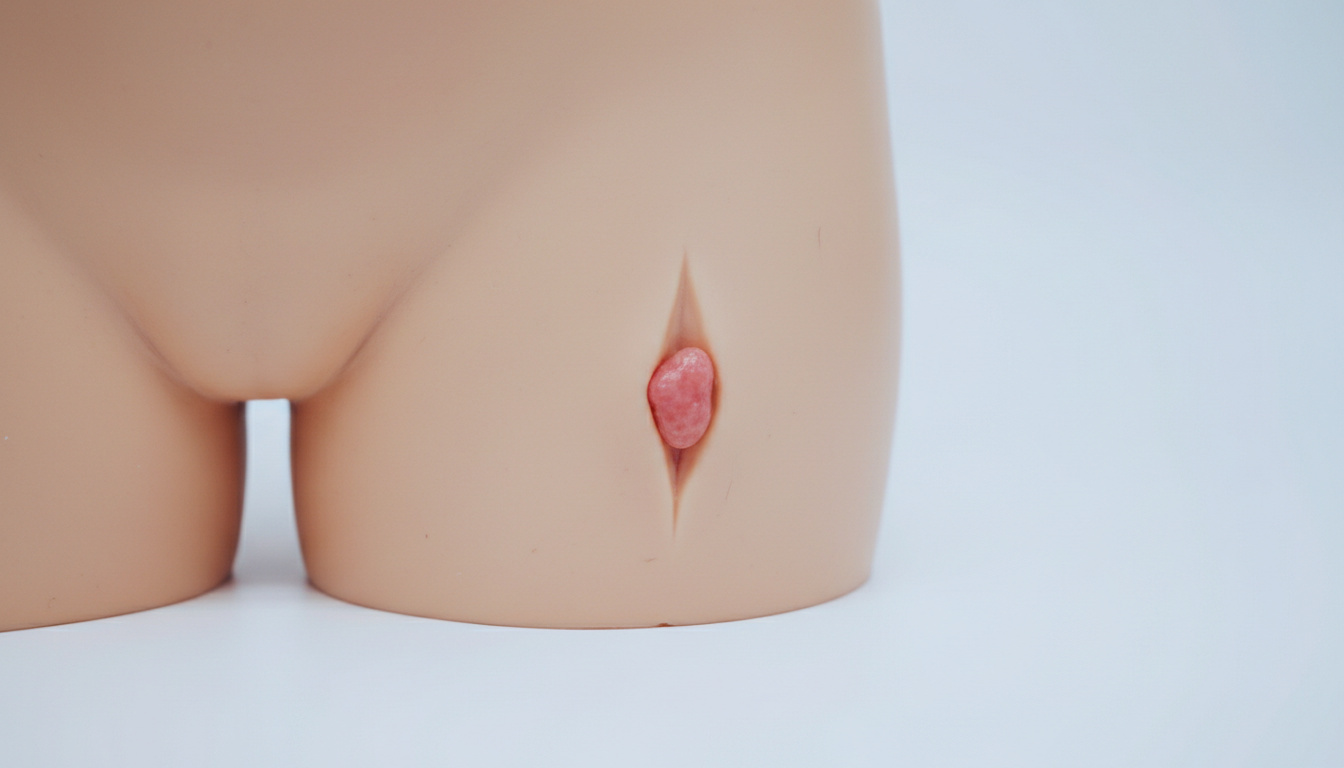
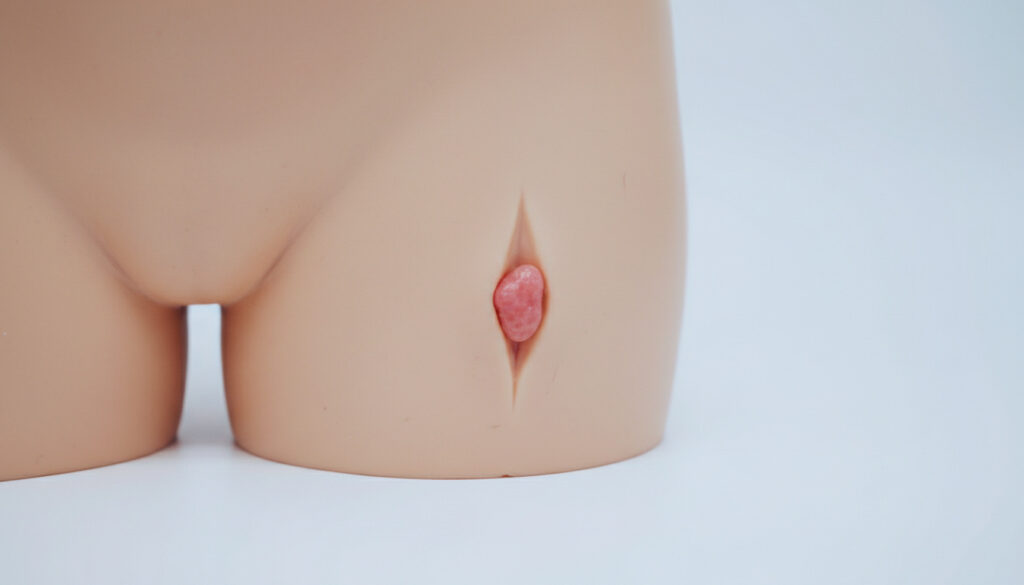
Discovering a lump on the side of the vagina or vulva often triggers immediate concern. In most cases, these lumps result from blocked glands—specifically Bartholin’s cysts—or localized infections that form abscesses, conditions that are typically benign rather than indicators of serious disease.
Visual identification drives many searches, yet medical sources emphasize that appearance alone cannot confirm diagnosis. The size, texture, and accompanying symptoms provide better indicators for determining whether home care or immediate medical attention is appropriate.
Understanding the anatomical location and typical progression of these conditions helps distinguish between benign cysts requiring simple observation and infected masses demanding urgent treatment.
What Causes a Lump on the Side of the Vagina?
Bartholin’s glands sit symmetrically at the 4 and 8 o’clock positions near the vaginal opening. These small structures secrete lubricating fluid through narrow ducts. When ducts become blocked by mucus buildup, edema, infection, or trauma, fluid accumulates to form a cyst. If skin bacteria infect the trapped fluid, the cyst progresses into a painful abscess filled with pus.
Common Causes
Bartholin’s cysts and abscesses account for most cases, followed by sebaceous cysts from blocked oil glands.
Key Symptoms
Range from painless pea-sized lumps to red, swollen, hot masses with pus and fever.
Urgency Levels
Observation for small painless cysts; immediate care for fever, severe pain, or spreading redness.
First Steps
Warm sitz baths several times daily; avoid squeezing; schedule OB-GYN evaluation if persistent.
Key Insights:
- Bartholin’s cysts affect women primarily during reproductive years
- Abscesses develop when cysts become infected, often with skin flora like Staphylococcus
- Sebaceous cysts originate from blocked oil glands but are less specific to the vulvar region
- Most simple cysts resolve spontaneously without medical intervention
- Recurrence rates remain significant regardless of initial treatment method
- Cancerous vulvar lumps are rare but require exclusion through professional examination
- Trauma or friction may trigger duct blockage, though exact causes often remain unknown
| Lump Type | Typical Size | Pain Level | Location | Primary Cause | Urgency |
|---|---|---|---|---|---|
| Small Bartholin’s Cyst | Pea-sized | None | 4/8 o’clock position | Duct blockage | Low |
| Large Bartholin’s Cyst | Up to golf ball | Pressure/discomfort | 4/8 o’clock position | Duct blockage | Medium |
| Bartholin’s Abscess | Variable | Severe, throbbing | 4/8 o’clock position | Bacterial infection | High |
| Sebaceous Cyst | Small | Variable | Labia skin surface | Oil gland blockage | Low |
| Ruptured Abscess | Shrinking | Decreasing | 4/8 o’clock position | Spontaneous drainage | Medium |
| Recurrent Cyst | Variable | Variable | Same side | Repeated blockage | Medium |
What Does a Lump on the Side of the Vagina Look Like?
Size and Surface Characteristics
Bartholin’s cysts typically present as round, smooth bulges affecting one side only. Small cysts may resemble peas, while larger ones can grow to golf-ball size, creating noticeable asymmetry between the labia. The skin overlying a simple cyst usually matches surrounding tissue color, though stretched skin may appear shinier or translucent.
Visual Changes During Infection
When infection develops into an abscess, the visual presentation shifts dramatically. The area becomes red, swollen, and hot to touch. Some abscesses develop a visible center point where pus accumulates, potentially leading to spontaneous drainage that temporarily reduces swelling but requires medical cleaning to prevent recurrence.
Photographs of vulvar lumps found online cannot replace professional diagnosis. The Bartholin glands sit at specific anatomical positions relative to the vaginal opening. Lumps in other locations may indicate completely different conditions requiring alternative treatments.
When Should You See a Doctor for a Vaginal Lump?
Immediate Medical Attention
Certain symptoms demand urgent evaluation within hours. A red, warm, increasingly painful lump accompanied by fever above 38°C (100.4°F), chills, or foul-smelling pus indicates an active abscess. Difficulty urinating, stinging sensations, or inability to walk comfortably due to swelling also require prompt care to prevent systemic infection.
Routine Evaluation Timeline
Small, painless cysts discovered during self-examination do not necessitate emergency visits. Schedule an appointment with an OB-GYN if the lump persists beyond one to two weeks despite warm bathing, grows larger than one inch, interferes with sexual activity, or causes noticeable asymmetry that concerns you.
While Bartholin’s cysts and abscesses are benign conditions, any persistent vulvar lump warrants professional examination to exclude rare malignancies. Medical evaluation remains essential even when symptoms suggest a simple cyst, particularly for lumps that feel hard, fixed to underlying tissue, or ulcerated.
How Are Lumps on the Side of the Vagina Treated?
Conservative Management
Small, asymptomatic cysts often resolve without intervention. Home care protocols include sitz baths—soaking the vulva in warm water 3-4 inches deep, several times daily for three to four days—to encourage natural drainage. Warm compresses and over-the-counter pain relievers manage discomfort during observation periods. Avoid attempting to squeeze or pop the cyst.
Medical and Surgical Interventions
Infected abscesses require professional drainage through small incisions, sometimes accompanied by antibiotics. For recurrent cysts, marsupialization surgery creates a permanent drainage opening by stitching the cyst wall to the surrounding skin. Complete excision removes the gland entirely, while balloon-tipped catheters offer temporary drainage channels for persistent cases.
Many Bartholin’s cysts resolve spontaneously within weeks. However, recurrence remains possible after any treatment method, with some women experiencing multiple episodes requiring repeated intervention over months or years.
How Long Does a Vaginal Lump Last?
The timeline for vulvar lumps varies significantly based on whether the cyst remains simple or progresses to abscess. Understanding this progression helps set appropriate expectations for recovery.
- Days 1-3: Initial blockage causes fluid accumulation; small lumps may go unnoticed or cause vague discomfort during daily activities.
- Days 4-7: Cyst enlarges or becomes infected, developing characteristic pain, redness, and heat as inflammation increases.
- Week 2: Abscess may spontaneously drain or require medical incision and drainage; antibiotics typically prescribed if infection present.
- Weeks 3-4: Post-drainage healing occurs with sitz baths; conservative care resolves simple cysts naturally during this window.
- Month+: Recurrence possible; surgical options considered for persistent or repeatedly infected cysts.
Established Facts vs. Uncertain Factors
| Established Medical Facts | Uncertain or Variable Factors |
|---|---|
| Bartholin’s cysts result from physical duct blockage | Exact trigger for initial blockage often remains unknown |
| Abscesses contain bacterial infection requiring antibiotics | Specific bacterial strains vary significantly by individual |
| One side typically affected (unilateral presentation) | Why some women develop recurrent cysts while others do not |
| Sitz baths provide effective conservative treatment | Precise timeline for spontaneous resolution varies |
| Surgical options reduce but do not eliminate recurrence | Long-term prevention strategies remain limited |
| Vulvar lumps require examination to exclude cancer | Individual pain tolerance affects symptom reporting |
Anatomical Context and Risk Factors
The Bartholin glands are homologous to male bulbourethral glands and serve essential lubrication functions. These structures sit deep within the vulvar tissue, explaining why blockages create noticeable surface bulges despite small gland size. Women in their 20s and 30s experience higher incidence rates, likely due to hormonal influences on mucus consistency.
While hygiene practices and sexual activity sometimes correlate with abscess development, no definitive prevention strategies guarantee avoidance. The unpredictability of these cysts mirrors how specialized knowledge distinguishes between similar concepts, much like understanding What Is Wagyu Beef – Origins, Breeds and Kobe Differences requires looking beyond surface appearance to understand specific origins and classifications.
Medical Authority Perspectives
Bartholin’s cysts are fluid-filled sacs that develop when the duct opening of one of the Bartholin’s glands becomes obstructed. While typically benign, proper diagnosis ensures appropriate treatment and rules out more serious conditions.
Mayo Clinic
See your GP if you have a lump in the skin around your vagina and you’re worried about it. Most lumps are harmless but it’s best to get them checked.
NHS
Bartholin gland cysts are the most common type of vulvar cyst. They form when the duct becomes blocked and fluid accumulates, sometimes becoming infected and forming an abscess.
Merck Manual
Key Takeaways
A lump on the side of the vagina most commonly indicates a Bartholin’s cyst or abscess—benign conditions resulting from blocked or infected glands. While visual comparisons help initial self-assessment, professional evaluation remains necessary to exclude rare complications and determine appropriate treatment ranging from warm sitz baths to surgical drainage. Understanding the distinction between painful abscesses requiring urgent care and painless cysts suitable for observation empowers informed health decisions, much like knowing What Does SOS Mean – Myths, Morse Code and History helps distinguish between common misconceptions and factual history.
Frequently Asked Questions
Can a lump on the side of my vagina be cancer?
While most side vaginal lumps are benign Bartholin’s cysts, rare vulvar cancers do exist. Always seek medical evaluation for persistent, hard, or irregular lumps to exclude malignancy.
Why does my lump hurt when I sit down?
Bartholin’s cysts sit near the vaginal opening where sitting applies direct pressure, compressing fluid-filled tissue against underlying structures and nerves.
Can I pop a vaginal cyst myself?
Never attempt to drain a vulvar lump at home. Squeezing may force bacteria deeper, creating spreading infection, permanent scarring, and increased pain.
Will antibiotics cure a Bartholin’s cyst?
Antibiotics treat infected abscesses but do not resolve simple cysts without drainage. Complete cure requires removing the blockage or infection source.
How can I prevent future cysts from forming?
Prevention remains difficult since blockage causes are often unknown. Warm water bathing may help gland drainage, but no guaranteed prevention method exists.
Do Bartholin’s cysts affect fertility or pregnancy?
Bartholin’s cysts do not affect fertility or pregnancy outcomes, though pregnancy hormones may influence gland secretions and cyst development.
Can men get Bartholin’s cysts?
Men lack Bartholin glands entirely, though similar cysts can form in analogous anatomical structures. The specific condition affects only female anatomy.
Related stories





James Holloway covers culture, lifestyle and society for MorningTimes.uk.